Introduction: A New Era for Anime Streaming
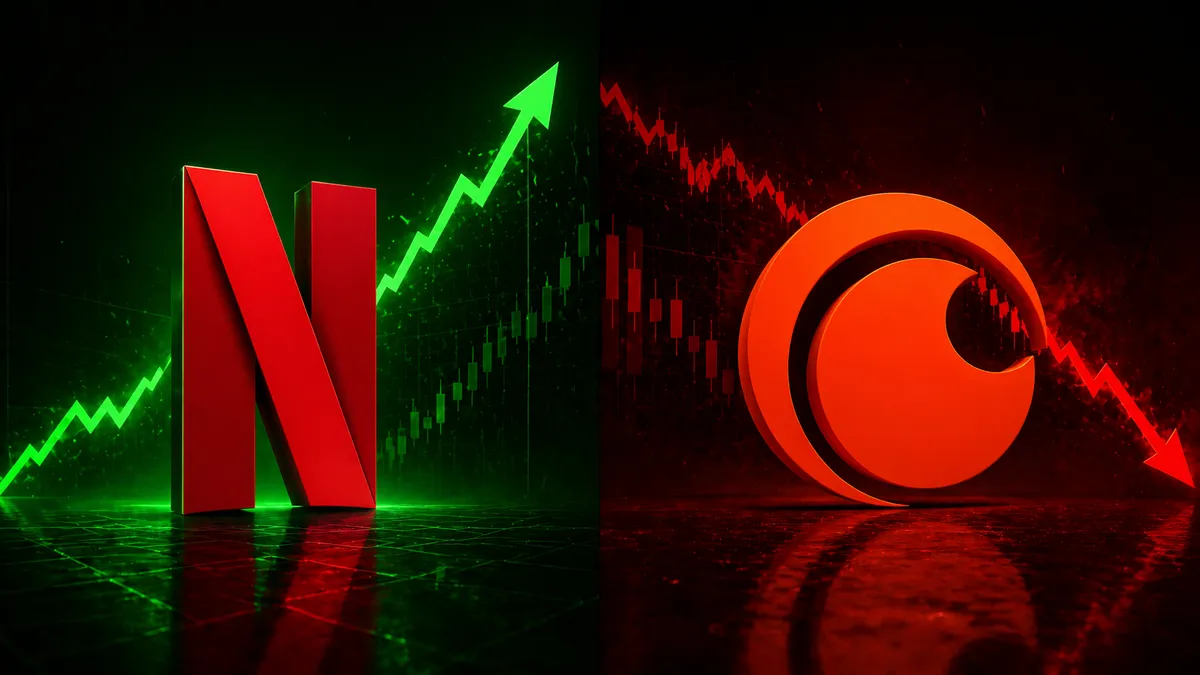
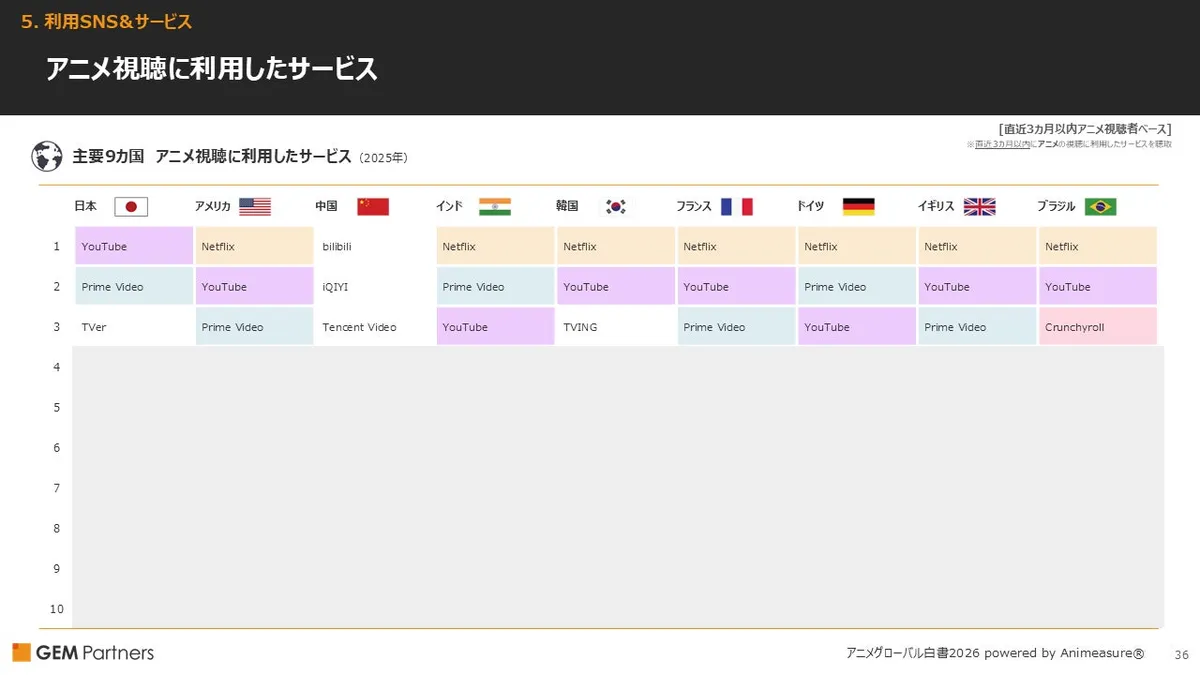
For more than a decade, anime fans automatically turned to whenever they wanted the latest seasonal releases, simulcasts, or classic series. It became the home of dedicated anime culture, offering a platform designed specifically for fans. However, the anime streaming landscape has changed dramatically in 2026. According to the GEM Partners Anime Global White Paper 2026, has officially surpassed Crunchyroll in total anime audience reach across major global markets.
This marks a major turning point for the industry. Anime is no longer viewed as a niche hobby limited to dedicated communities. Instead, it has become a mainstream entertainment category watched by millions of casual viewers worldwide
The GEM Partners 2026 Report: What the Data Reveals
The GEM Partners Anime Global White Paper 2026, released on April 16, 2026, surveyed over 15,000 respondents across 15 countries. The report focused on anime consumption habits, platform popularity, and regional market growth.
Key Findings from the Report:
Netflix ranked as the top anime-viewing platform in 7 of the 9 major surveyed markets
The United States showed Netflix leading despite Crunchyroll’s strong anime-focused reputation
India emerged as the third-largest anime market globally
Crunchyroll remained dominant among hardcore anime audiences
Accessibility became more important than platform specialization
These results suggest that anime audiences are changing. Instead of seeking out anime-specific services, many viewers simply watch anime through platforms they already use daily.
Why Netflix Is Winning the Anime Reach Battle
Netflix’s success comes from its ability to integrate anime into mainstream entertainment.
1. Accessibility for Casual Viewers
Unlike Crunchyroll, Netflix does not require users to subscribe specifically for anime. Millions of households already have Netflix subscriptions, allowing anime to become instantly available without additional cost.
This lowers the barrier to entry for new fans. Someone watching a trending drama or movie can quickly discover anime recommendations within the same platform.
2. Improved Anime Release Strategy
In earlier years, Netflix faced criticism for delayed anime releases, often referred to as “Netflix Jail.” Viewers had to wait until an entire season finished airing before episodes appeared globally.
By 2025 and 2026, Netflix adjusted its strategy with faster releases and hybrid simulcasting. This reduced Crunchyroll’s strongest competitive advantage.
3. Popular Original Titles
Netflix also gained momentum through successful anime and anime-inspired productions. Shows like introduced gamers to anime storytelling, while attracted mainstream audiences unfamiliar with traditional anime.
These titles acted as entry points for viewers who may not normally watch anime.

Crunchyroll’s Strength: Loyalty and Catalog Depth
Despite Netflix’s growing dominance, Crunchyroll remains highly valuable within anime culture.
Massive Anime Library
Crunchyroll offers more than 1,400 anime titles, giving fans access to classics, seasonal releases, and niche genres.
Preferred by Hardcore Fans
Dedicated anime viewers still choose Crunchyroll for:
Simulcasts shortly after Japanese broadcast
Seasonal anime tracking
Lesser-known series
Genre-specific recommendations
Community and Events
Crunchyroll also maintains a strong fan identity through conventions such as , helping strengthen community engagement beyond streaming.
Risks of Netflix Dominating Anime Streaming
While Netflix’s growth in anime is impressive, industry experts warn that too much dominance from one platform may create long-term risks for both creators and viewers.
Reduced Competition
If one company becomes the primary destination for anime, smaller platforms may struggle to compete. This can reduce innovation in streaming features, pricing models, and content variety.
Licensing Control
Netflix’s increasing investment in exclusive licensing could limit where audiences can legally watch certain anime. This creates fragmentation, where fans may lose access to titles if licensing agreements expire.
Creative Influence
Large streaming platforms often prioritize global appeal. This could pressure studios to create anime designed for international audiences rather than niche Japanese storytelling styles. Over time, some fans fear this may reduce originality.
Negative Points for Netflix in Anime
Despite leading in global reach, Netflix still faces criticism from anime fans.
Limited Seasonal Coverage
Unlike Crunchyroll, Netflix does not consistently license every seasonal anime release. Many niche or lower-profile shows remain unavailable.
Smaller Anime Library
Netflix offers a curated anime catalog, but it still cannot match Crunchyroll’s extensive selection of more than 1,400 titles.
Algorithm-Based Discovery
Netflix recommendations depend heavily on viewing behavior. This can limit exposure to niche anime genres compared to dedicated anime platforms.
Less Community Engagement
Netflix focuses primarily on streaming, while Crunchyroll builds fandom culture through conventions like and anime-centere d events.
Conclusion: The Future of Anime Streaming
The GEM Partners report confirms that anime has entered the mainstream entertainment industry. Netflix leads because it prioritizes convenience, visibility, and broad accessibility. Meanwhile, Crunchyroll remains the preferred destination for passionate anime fans.
The future of anime streaming may not belong to a single platform. Services like and are also increasing their anime presence.
In 2026, the battle is no longer about who has the biggest catalog. It is about who can reach the widest audience while maintaining viewer choice and industry balance.
Source : https://t.co/cTIz2SXN7J