The Industry's Major Concern
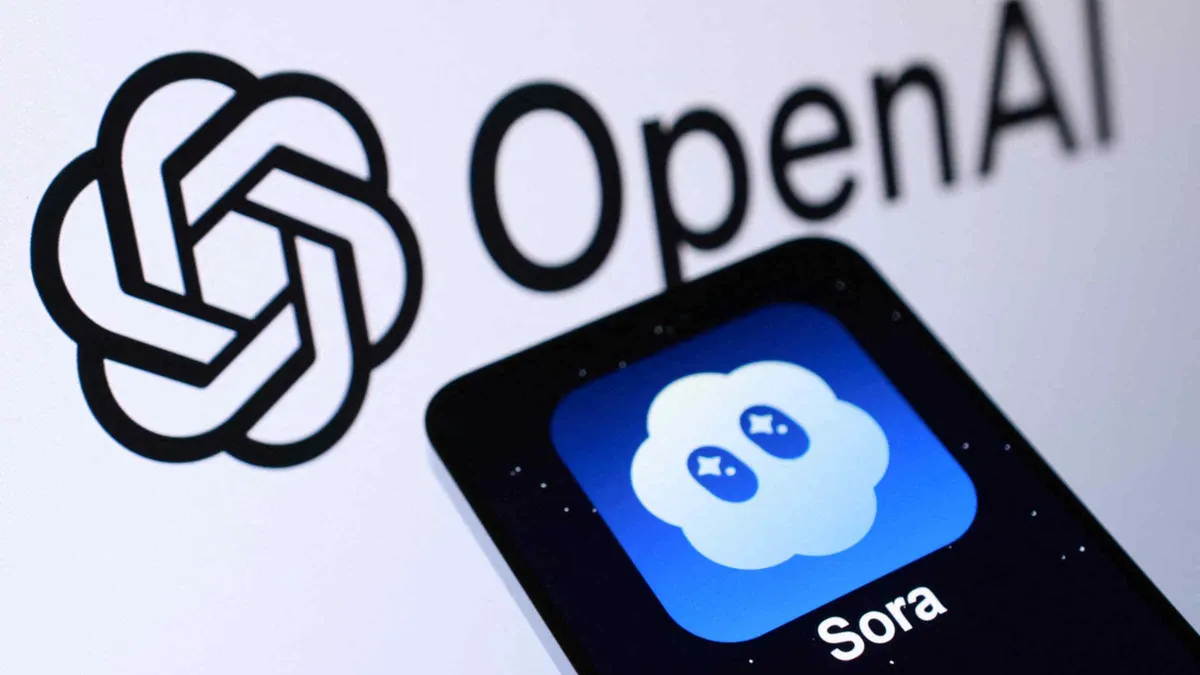
(Image Credits- Nikkei Asia)
Imagine working day and night on that comic or animated story that you love, putting months or sometimes even years, into the nurturing every panel, every voice, and every character arc. And then, there's a new tool in the market which is available to the general public that can complete mimic your art, summon scenes with a few words typed, and even place familiar faces into stories you never wrote in a dangerously accurate manner. For artists, writers, and studios that have shaped generations of animation fans, this is not a minor issue. It's a very real issue and has raised a lot of concerns and shaking up conversations among creative circles, studio boardrooms, and fan groups.
The AI Controversy: What Is Sora2?
(Image Credits- IGN)
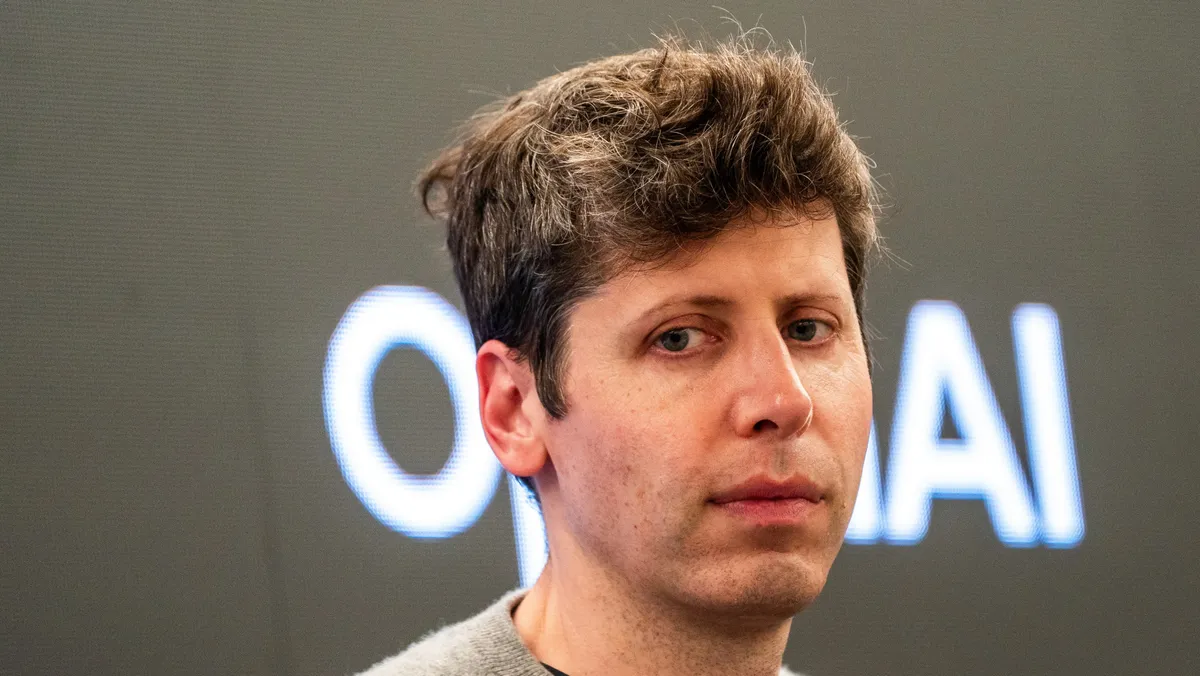
In September 2025, OpenAI released Sora2, a generative AI system capable of producing ultra realistic video and audio from text prompts. Unlike earlier tools that required heavy technical knowledge, Sora2's user-friendly design made it widely accessible and easy to use, in such a way that, even a common person with no technical knowledge can use it up to its full potential and this massively increased the amount of AI generated content, which is almost indistinguishable from the top comics and animated works. What's more is that Sora2's "opt-out policy" where works can be used until a company explicitly prohibits their IP's from being used. Many industry leaders argue that this turns decades of creative labor into data fodder for algorithms, where artists don't even get the assurance of receiving credit or compensation for the art they created
The Response of Creators
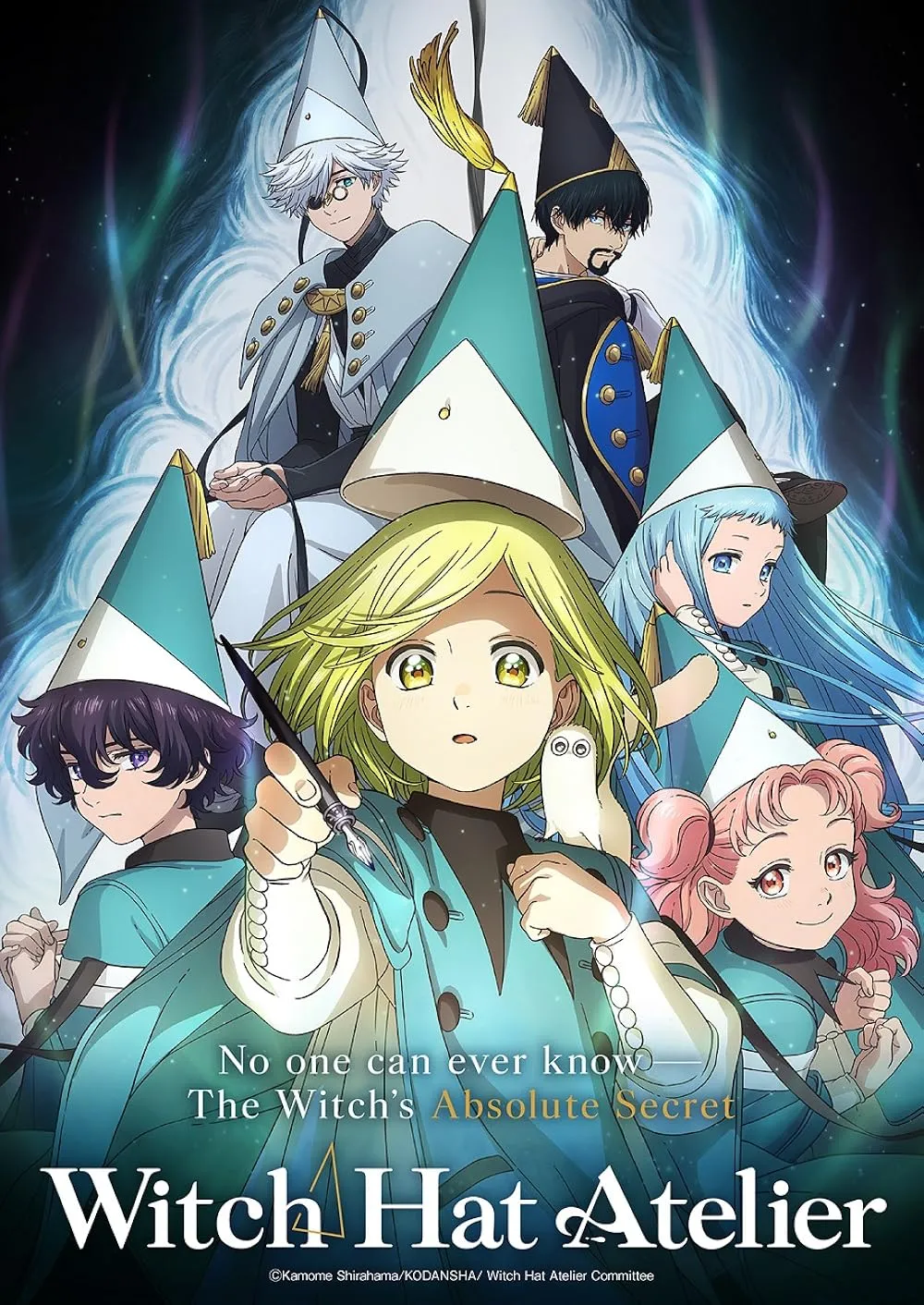
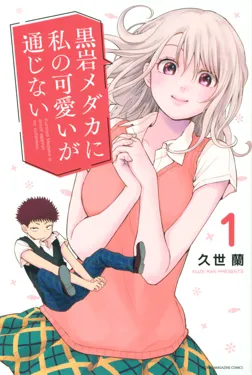
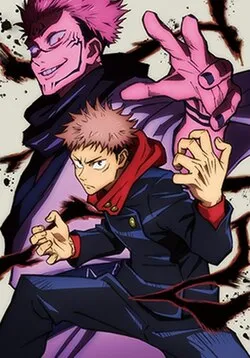
18 of the biggest names in anime and manga, such as Akita Shoten, Ichijinsha, Ohzora Publishing Co., Kadokawa, Coamix, Kodansha, Shogakukan, Shonengahosha, Shinchosha, Square Enix, Takeshobo, TO Books, Nihon Bungeisha, Hakusensha, Futabasha, Houbunsha, LEED Publishing, and the Japan Cartoonists Association (Nihon Mangaka Kyokai) have published a sharp joint statement, in coordination with the Content Overseas Distribution Association (CODA). They claimed that Sora2 is being trained on their copyrighted works and IP's without their consent and it lets anyone generate content nearly indistinguishable from their official stories and works. The core of their objection is that copyright law exists to protect creators and that generative AI cannot and should not disregard these rights in the name of technology and innovation.
Their demands are:
OpenAI must immediately stop using their copyrighted works for AI training and machine learning without prior permission from the rights holders.
OpenAI should implement an opt-in system, requiring explicit approval before any copyrighted content is included in AI training data.
The company must increase transparency about what materials are used in the model training process, disclosing the sources of training data involving Japanese IP.
Fair compensation must be provided to copyright holders when their content is utilized by generative AI, ensuring legal and ethical respect for creators.
OpenAI should respond sincerely and promptly to claims and inquiries from rights holders about possible copyright infringement and misuse related to Sora2-generated outputs.
The companies warned that failure to meet these demands may result in legal action under Japanese copyright law and AI regulation policies.
This is not just propaganda against AI. several studios already use AI for things like translating manga or improvising animation workflows and efficiency, but there needs to be a clear boundary and OpenAI must respect the people who make the art that fans all over the globe know and love.
Why This Matters to Local Fans and Creators in India
The love for anime and manga among the Indian fans has resulted in a lot of artists who make fan arts and fanfics for a particular work that they really love and there are many artists who got jobs from big corporations because their talent got recognized by the world through their expertise in art and their creativity which reflected in their fanarts and fanfics that they posted on the internet, such talents won't be discovered if anyone could just generate ultra realistic images by just typing out a few simple prompts.
The global trend towards the use of AI in creative spaces raises very important questions for the local creators:
Will their work be kept safe from unauthorized uses?
What does original mean anymore when anyone can summon a new episode or artwork from a line of code?
Recent figures indicate that more than 73% of young digital creators in India believe that AI could devalue their work unless strong protection laws are implemented against it. Industry estimates suggest that global losses from copyright infringement caused due to generative AI being available to the general public run in billions of dollars annually. Despite being disheartening, these figures tell us the reason on why the voices from the anime and manga community is raised by peaople far beyond Japan.
Conclusion
As AI technologies like Sora2 rapidly change the space of art, entertainment and creative liberty, the question is no longer about whether the creators and audiences should care about this situation, but it is about how their voice against this movement shapes the future.
Will technology and creativity find a common ground without sacrificing the aspects that makes stories genuine and human, or will this blur creativity forever?
And when your favorite moments and characters can be generated in seconds, will originality even exist for the fans from the next generation?