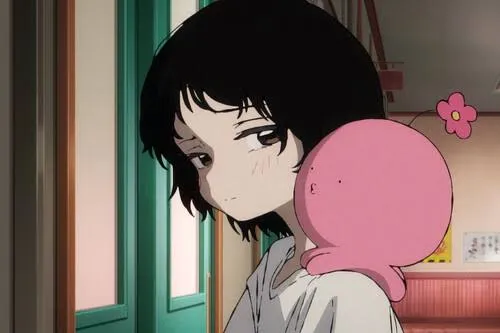
The announcement of the original anime film We Are Aliens, or Wareware wa Uchuujin, has essentially set the community on fire this week. We finally have a concrete timeline to work with. The film is officially slated for a theatrical release in Japan within 2026. However, the most immediate milestone is its high profile international debut at the 79th Cannes Film Festival. It has been selected for the Directors Fortnight program which runs from May 12 to May 23, 2026. This is a massive win for the production team because it places the project in the same prestige category as some of the most experimental and celebrated works in global cinema. While we are still waiting on the specific day for the Japanese domestic premiere, the fact that it is arriving this year is a huge relief for those who have been following the development since production kicked off back in 2022. For those watching from outside of Japan, the current projections from the crowdfunding updates suggest an international rollout will likely follow in 2027. The project is a unique collaborative effort between the Japanese film label NOTHING NEW and the French studio MIYU PRODUCTION. This cross border partnership explains the distinct visual flair we have seen in the early teasers which feel much more like a high end art house film than your typical seasonal anime release.
Creators, Direction, and Voice Cast

At the center of this ambitious project is Kohei Kadowaki, a name that many might recognize from his stunning work on the music video for YOASOBI’s hit track Comet. Kadowaki is not just directing here; he is basically the primary engine behind the entire film, taking on the roles of planner, scriptwriter, storyboard artist, and even editor. It is essentially a passion project on a grand scale. To back up his distinct visual language, the film has brought on the incredibly talented Yaffle to handle the musical score. Given Yaffle’s legendary production work with artists like Fujii Kaze, the expectations for the soundtrack are through the roof. The casting choices for the lead roles are equally grounded and interesting, opting for actors who have a strong presence in the live action world. Ryota Bando is voicing Tsubasa, while Amane Okayama takes on the role of Akitaro. Bando has been making waves recently in various television dramas, and Okayama is a seasoned talent who often brings a very specific, intense energy to his roles. Seeing these two play childhood friends who have drifted apart feels like a perfect fit for a story that relies so heavily on the chemistry and tension between two leads. They are joined by Yuto Maki and Yuku Nakagomi, who will provide the voices for the younger versions of Tsubasa and Akitaro during the flashback sequences.
Themes, Context, and Audience Connection
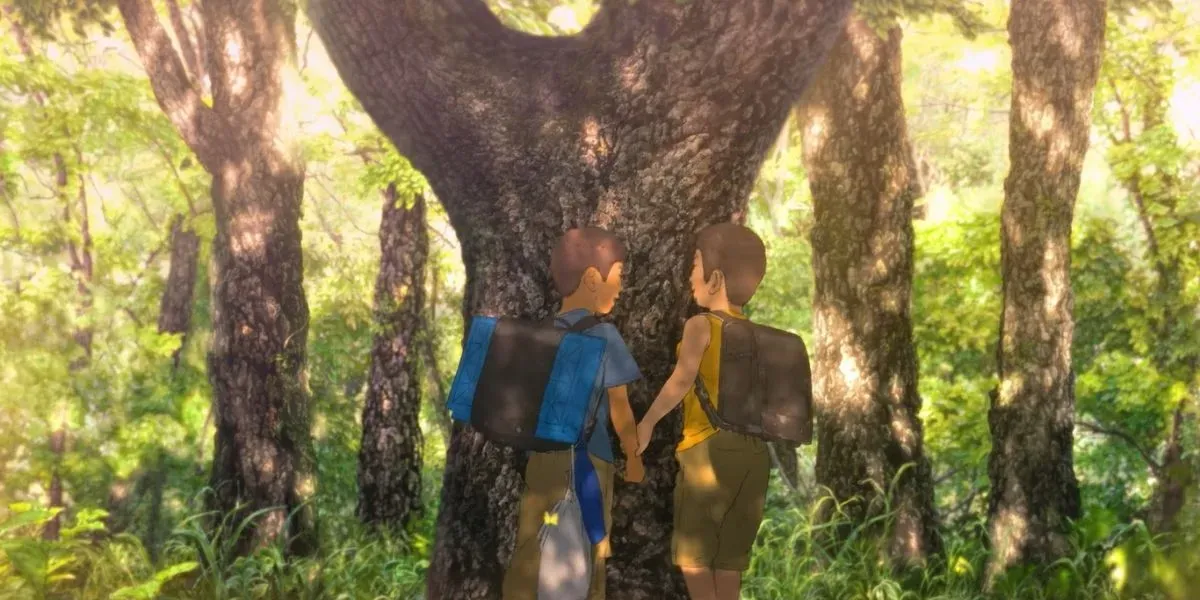
What makes We Are Aliens so intriguing is its narrative structure, which spans over thirty years. The story begins in a rural town during the tail end of the Heisei era, capturing that very specific feeling of late nineties and early two thousands nostalgia that resonates so deeply with the current generation of adult anime fans. It follows Tsubasa and Akitaro, two boys who were inseparable until a relatively minor incident caused a rift that lasted decades. The title itself serves as a metaphor for the alienation and the sense of being an outsider in one’s own life. Tsubasa is portrayed as someone deeply worried about maintaining a sense of normalcy, while Akitaro is described as a special existence. This dynamic of the normal versus the extraordinary is a staple of the Seinen genre, but Kadowaki seems to be approaching it with a much more psychological and somber lens than we usually see. The film uses a combination of traditional techniques and rotoscoped reference footage to make the character movements feel unnervingly real, which perfectly mirrors the heavy themes of memory and the passage of time. It is the kind of story that asks whether we can ever truly return to the people we were as children or if those versions of ourselves are just as alien to us now as a stranger would be.
Fan Response, Expectations, and What’s Next

The buzz surrounding this film did not just come out of nowhere; it was built on a very successful crowdfunding campaign on the Japanese platform Motion Gallery. The project managed to blow past its 8 million yen goal, eventually raising nearly 10 million yen from fans who wanted to see Kadowaki’s vision come to life. This kind of grassroots support usually indicates a very dedicated core audience, and the selection for Cannes has only amplified that interest tenfold. We are starting to see a trend where smaller, creator driven films are breaking through the noise of massive franchises, and We Are Aliens feels like the next big step in that movement. Early reactions to the teaser trailer have praised the spellbinding backgrounds and the way the animation feels integrated with the scenery rather than just sitting on top of it.
Conclusion
As we move closer to the Cannes screening in May, we should see more detailed impressions of the plot and the pacing. For now, the hype is focused on the artistic pedigree and the promise of a story that prioritizes emotional honesty over flashy action. It is a bold move to release an original film without a manga to lean on, but if the execution matches the teaser, this will likely be a standout title for 2026.