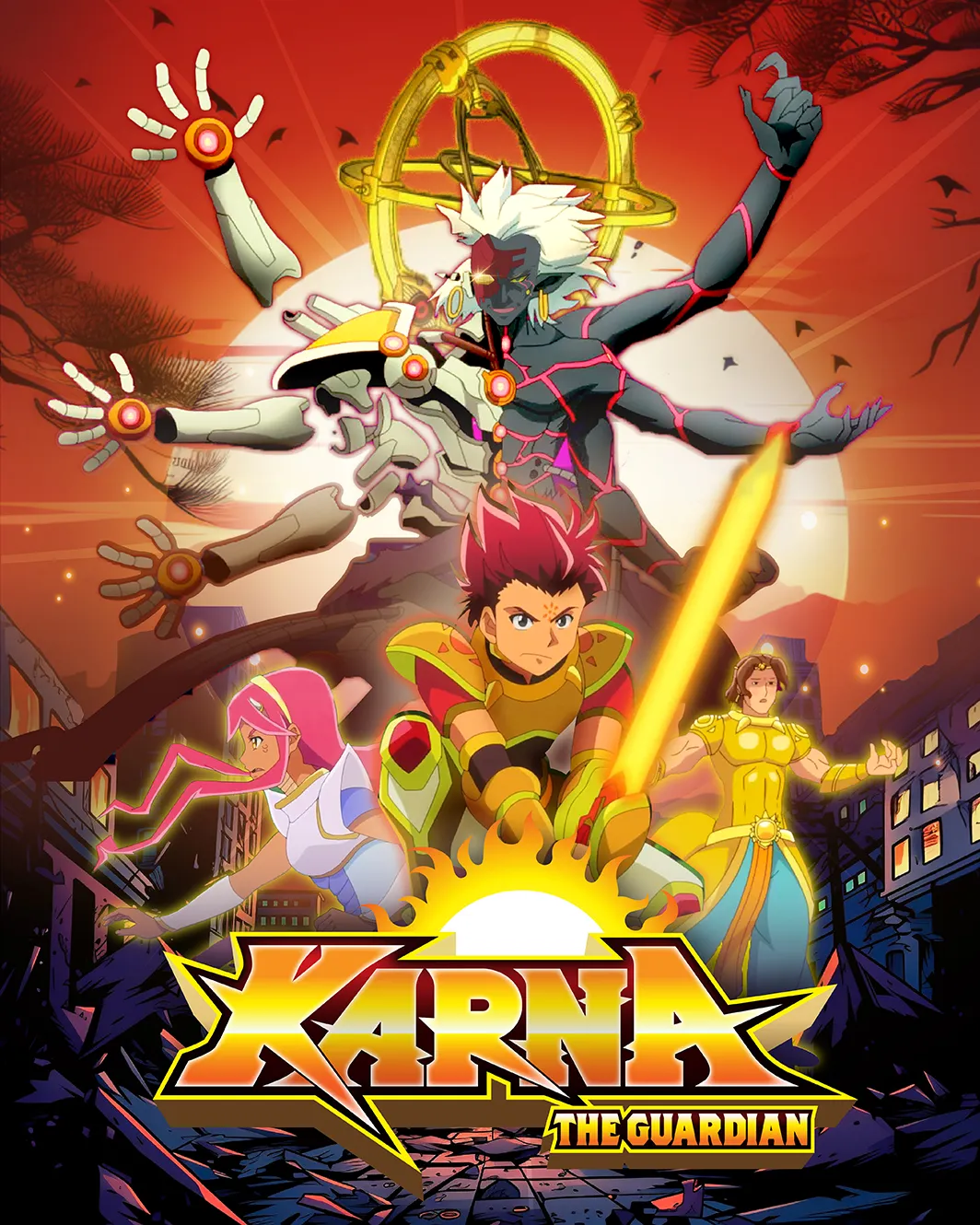
The long awaited expansion of the Indian animation scene into the global anime mainstream is finally hitting its stride with the official launch of Karna The Guardian. This series is confirmed to start streaming exclusively on Crunchyroll beginning May 8, 2026, marking a significant milestone for what fans are increasingly calling "Indime." This isn't just a local broadcast play either; the rollout is massive, covering territories worldwide with dubs in Hindi, Tamil, Telugu, and English available right at launch. The production is a heavyweight collaboration between Sony YAY!, Zomia, and Ascension, which signals a shift away from the typical preschool-targeted content we often see from domestic studios. By positioning this directly on Crunchyroll alongside seasonal heavy-hitters, the producers are clearly aiming for the teen and young adult demographic that lives for high-stakes action and intricate world-building. The visuals seen in the latest promotional material suggest a high-fidelity aesthetic that blends traditional hand-drawn styles with the sharp, clean lines expected of modern shonen. It’s a grounded approach to a mythological retelling that feels more like a creative evolution than a simple cash-in on existing folklore.
Creators, Direction, and Voice Cast
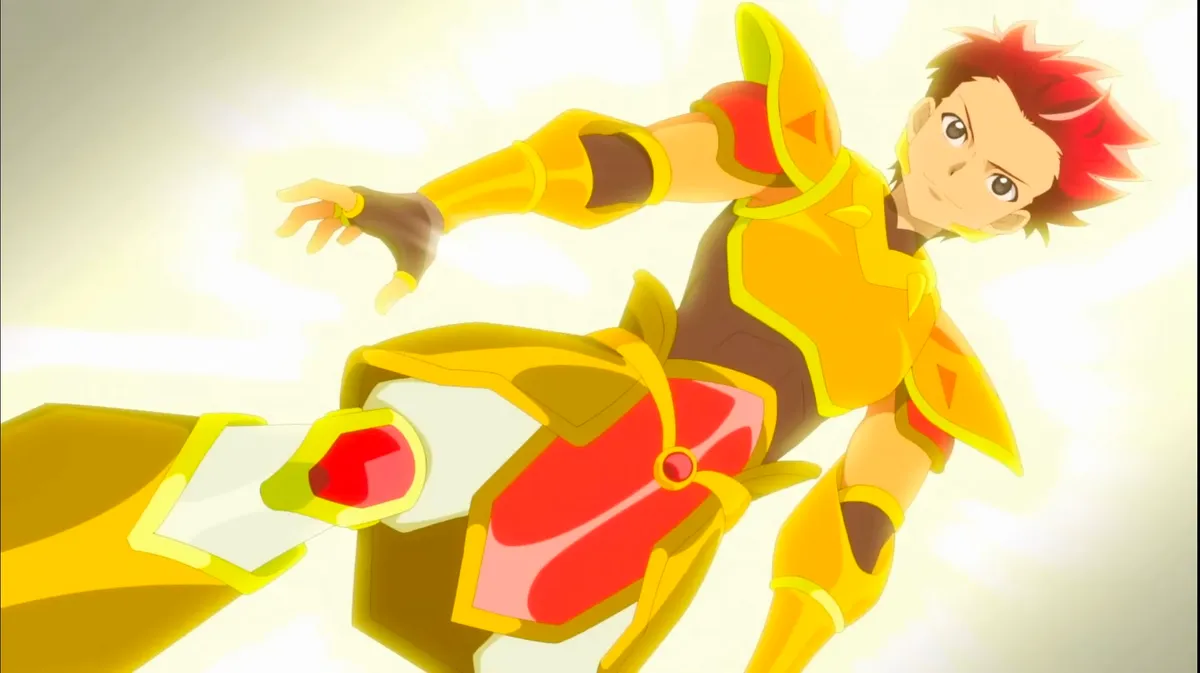
While the series draws heavily from the bones of the Mahabharata, the creative direction led by the teams at Sony YAY! and their partners seems focused on a "cyber-mythology" aesthetic that feels fresh. The voice cast for the Hindi dub is particularly stacked with veteran talent who have been the backbone of the Indian dubbing industry for years. Aditya Pednekar takes on the lead role of Karna, bringing a necessary grit to the character of the Balancer. He is joined by Merlyn James as Yamini and Krutika Vispute as Novira, both of whom are known for delivering nuanced performances in high-octane settings. The primary antagonist, the ancient demon Kalimba, is voiced by Wareen D’souza, whose range is expected to give the villain a presence that’s more than just a standard world-ending threat. The staff has opted for a simuldub approach, ensuring that the performances across all four languages maintain the same emotional weight and pacing. This kind of investment in the cast suggests that the narrative isn’t just an excuse for fight scenes but is actually leaning into the character drama that made the original myths so enduring. The direction seems to prioritize fluid movement and atmospheric lighting, moving away from the static, repetitive loops that sometimes plague lower-budget regional productions.
Themes, Context, and Audience Connection
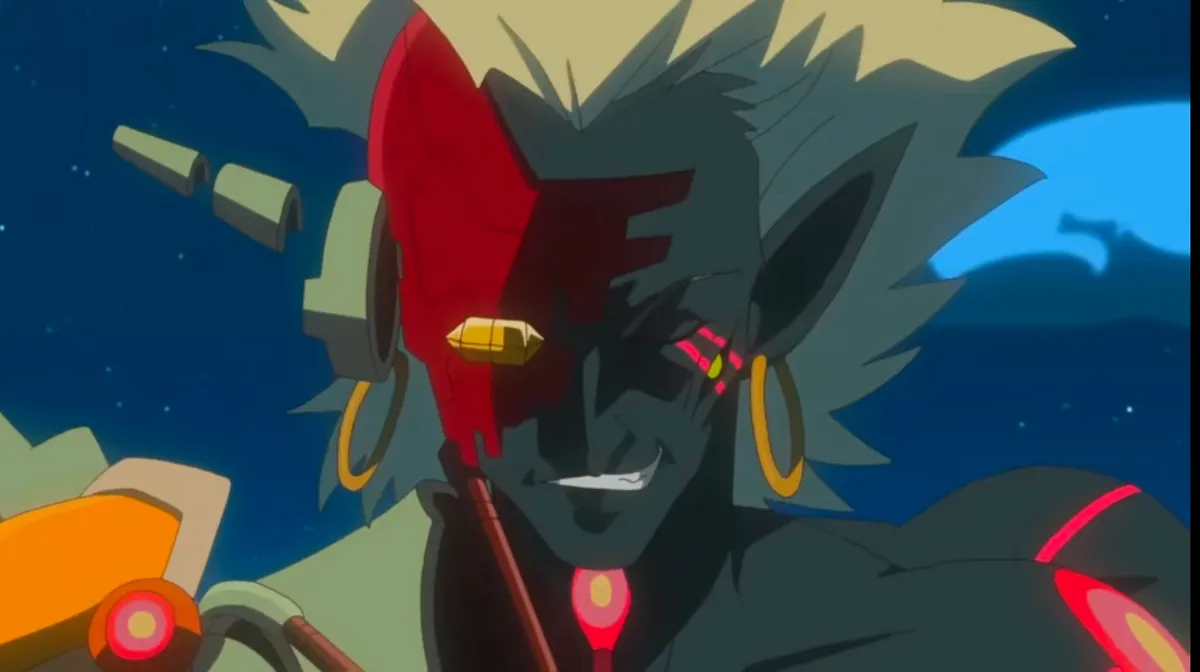
At its core, Karna The Guardian deals with the classic duality of corruption and harmony, but it layers this with a futuristic setting where ancient powers are reawakened through modern conflict. The concept of the "Balancer" is a clever spin on the Guardian archetype, placing Karna in a position where he has to master his internal power to stop the demon Kalimba from spreading a viral-like corruption through the world. It’s a theme that resonates deeply with the shonen community, drawing parallels to titles where a protagonist’s heritage is both a gift and a burden. For the Indian audience, seeing a figure as complex as Karna reimagined in a sci-fi landscape provides a level of cultural representation that isn't just surface-level. The story focuses on Karna's personal stakes, specifically the drive to save his mother from the darkness, which grounds the cosmic battle in something much more intimate and relatable. This blend of "fate vs. choice" is a staple of the genre, and seeing it filtered through the specific lens of Indian philosophy gives the series a distinct flavor that stands out from the typical Western or Japanese fantasy tropes. The community is already dissecting the character designs, noting how the armor and "astras" have been modernized without losing their iconic mythological silhouettes.
Fan Response, Expectations, and What’s Next

The buzz surrounding this release has been building steadily on platforms like Instagram and Reddit, where the "Indime" movement has found a dedicated home. Fans are cautiously optimistic, largely because the partnership with Crunchyroll suggests a level of quality control that was previously missing from domestic efforts. There is a lot of talk comparing this to the recent success of high-end Chinese donghua or Korean aenime, with the hope that Karna The Guardian will be the project that finally puts Indian animation on the map as a serious contender in the global market. Early reactions to the trailers have praised the "sakuga" moments, particularly the depiction of solar energy and the multi-armed mechanical guardians seen in the key visuals. Looking ahead, the success of this first season will likely dictate whether we see a broader universe of these mythological re-imaginings. For now, the focus is squarely on May 8th and whether the writing can match the ambitious visual scale. If the pacing stays tight and the emotional beats land, we might be looking at the start of a new era for regional animation that doesn't need to rely solely on nostalgia to keep its audience engaged. It’s a bold swing for everyone involved, and the anime community is definitely watching.
Conclusion
The series is a landmark moment for the region, proving that mythological stories can be adapted with a modern edge that appeals to global sensibilities without losing their cultural soul.