The experimental short film Moshi, Korekara Umareruno Nara (translated as If We Were to Be Born from Now On) officially premiered in Japanese theaters on March 6, 2026. This project serves as a standout entry in the GEMNIBUS vol. 2 anthology, a creative initiative by TOHO’s GEMSTONE label designed to highlight unique directorial voices. Following its initial limited run at TOHO Cinemas Hibiya through March 12, the film expanded its reach to kino cinema locations in Shinjuku, Yokohama, and Tenjin starting March 20, 2026. Animation production was handled by Kiko, a studio that has been gaining traction for its fluid, non-traditional visual style. While a global streaming date hasn’t been locked in for Western platforms like Crunchyroll yet, the involvement of TOHO NEXT suggests that international festival circuits and digital distribution usually follow these specialized theatrical windows within a few months. It is a compact but high-impact theatrical experience that refuses to follow the standard seasonal TV broadcast cycle, choosing instead to live in the more prestigious space of cinematic short-form storytelling.
Creators, Direction, and Voice Cast
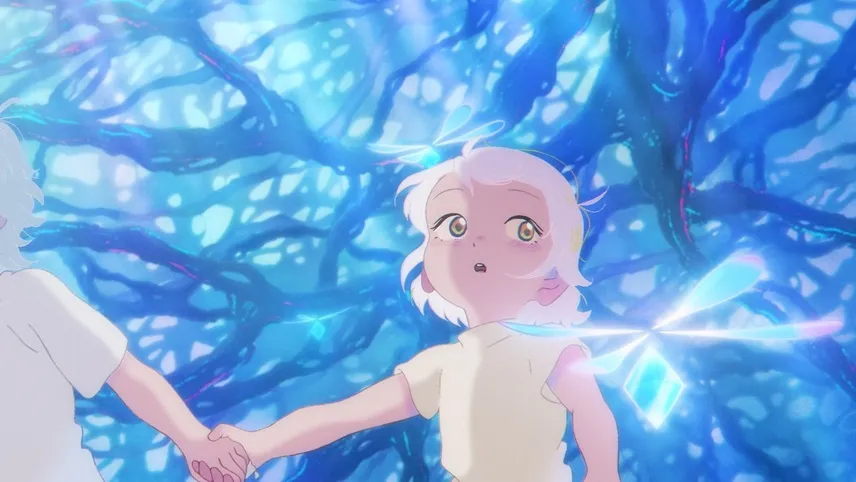
At the helm is director and screenwriter Asuka Dokai, a name that many fans will recognize from the stunning YOASOBI "Umi no Manimani" music video and the vibrant Pokémon WCS2023 "Kimi ni Aeta!" animation. Dokai’s approach to this film is deeply personal, rooted in her interest in the "ten months and ten days" of pregnancy, reimagined as a literal physical odyssey. The music is another massive draw, featuring a collaboration between composer Marihiko Hara and vocalist Miu Sakamoto, who provides the theme song "Lullaby." The two previously worked together on the film Kokuhou, and their chemistry here brings a haunting, ethereal quality that anchors the film’s emotional stakes. The voice cast is equally impressive, led by Sakura Hayashi and Kurumi Matsumura as the central twins. They are supported by industry veterans including Rina Sato, who many know as the voice of Mikoto Misaka in A Certain Scientific Railgun, and Kenyu Horiuchi, the legendary voice behind Pain in Naruto Shippuden. Having Horiuchi’s gravitas paired with Dokai’s delicate visual direction creates a fascinating contrast that elevates the film beyond a simple "art house" short.
Themes, Context, and Audience Connection
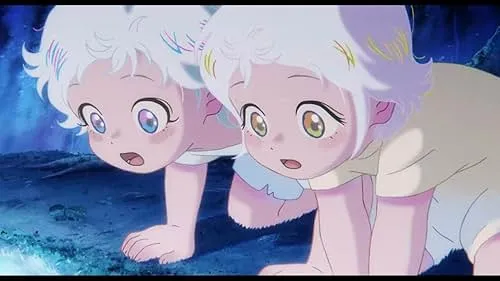
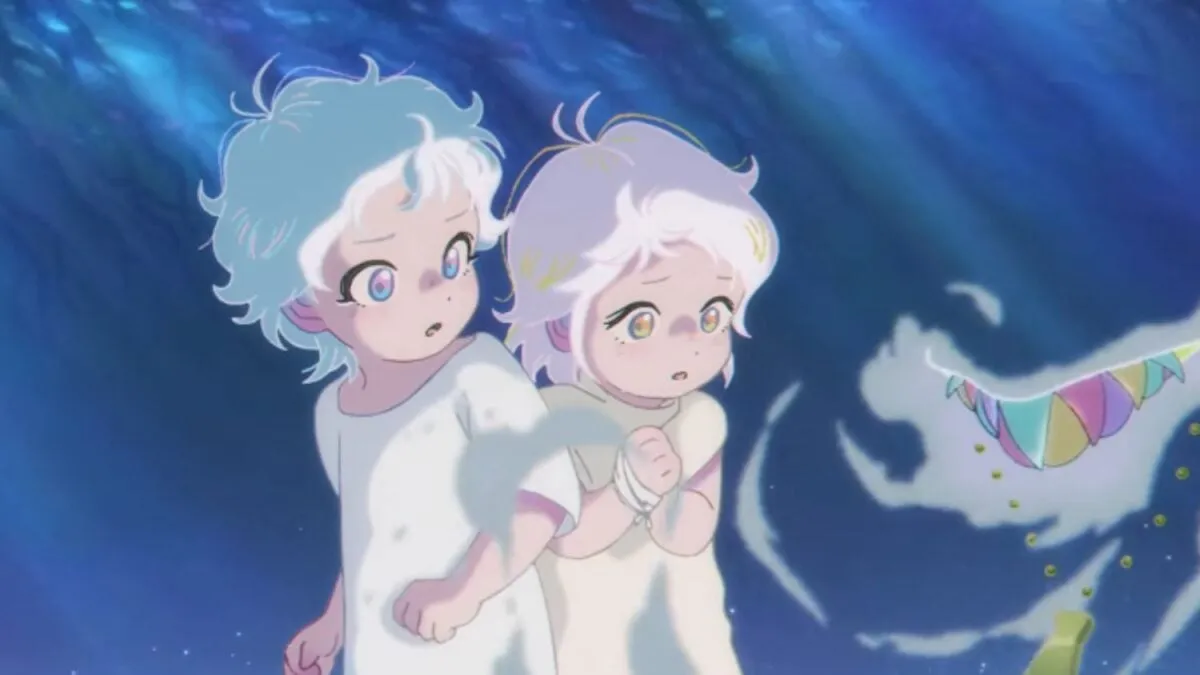
The narrative premise is a fantastical dive into the gestation period, following a nameless pair of twins, a timid sister and a carefree brother, as they navigate a womb-like planet. They are guided by a mysterious figure toward a mother who is currently enduring a period of deep grief in the real world. This setup explores the heavy philosophical question of what it means to choose to be born into a world that is inherently filled with loss and pain. Dokai has cited the work of legendary Russian animator Yuri Norstein, particularly Hedgehog in the Fog, as a major influence on the film’s soft textures and atmospheric lighting. This isn't your typical high-octane action flick; it’s a meditative piece that leans into the Iyashikei (healing) subgenre but with a surrealist, almost sci-fi edge. The "totsuki-oka" cultural concept in Japan, the traditional way of counting the length of a pregnancy, provides a grounded framework for what is otherwise a very abstract journey. It’s the kind of story that resonates with older anime fans who appreciate when the medium pushes past its usual tropes to tackle the fundamental human experience of existence and the quiet hope required to face life.
Fan Response, Expectations, and What’s Next
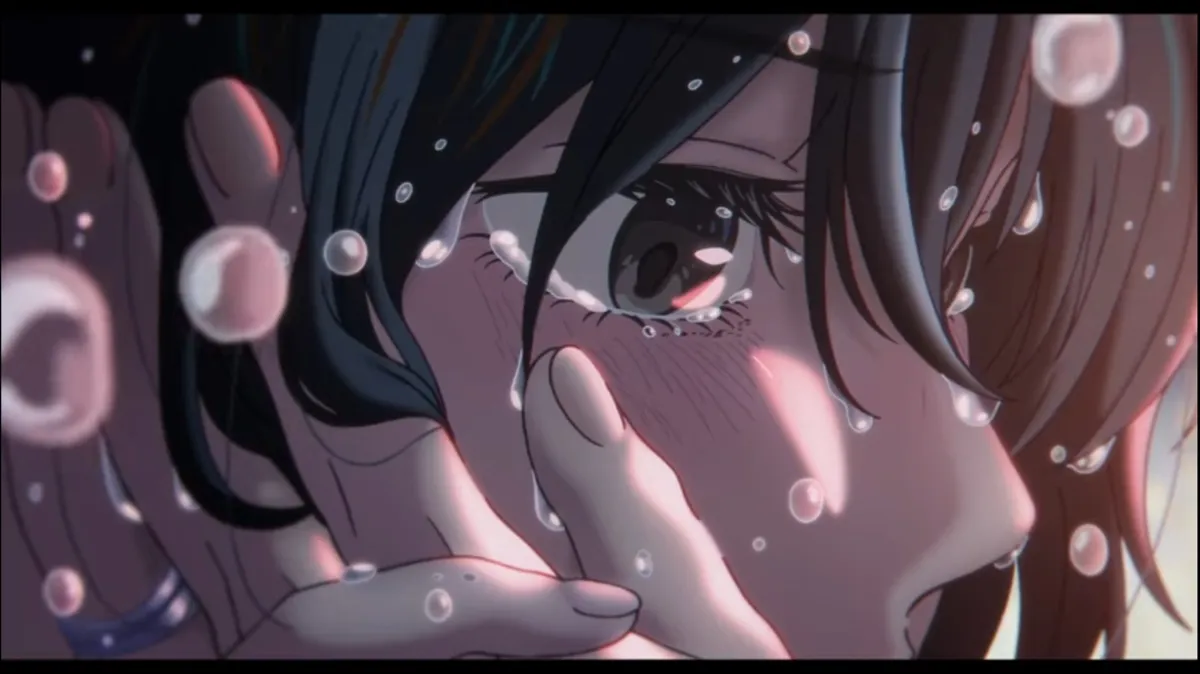
The buzz leading up to the March release was fueled largely by the success of the first GEMNIBUS anthology in 2024, which proved there was a hungry audience for short-form, high-concept animation that doesn't need twenty episodes to make a point. Early reactions from the Tokyo screenings have highlighted the "tactile" feel of the animation, particularly the way Dokai’s team rendered swaying grass and shifting light to create a sense of warmth despite the darker thematic undertones. Fans on social media have been quick to compare the visual fidelity to the best of modern indie anime, noting that it feels more like a moving painting than a standard digital production. Because this is a short film within an anthology, the conversation isn't about "Season 2" or "manga spoilers," but rather about the future of Asuka Dokai as a major director in the industry.
Conclusion
Source (X(Formerly Twitter)): https://x.com/moshikore_anime/status/2040005510897057954?s=20
As the film moves through its second wave of theatrical screenings in late March 2026, it stands as a reminder that the most compelling stories in anime often come from these experimental corners where creators are allowed to be weird, vulnerable, and unashamedly poetic.