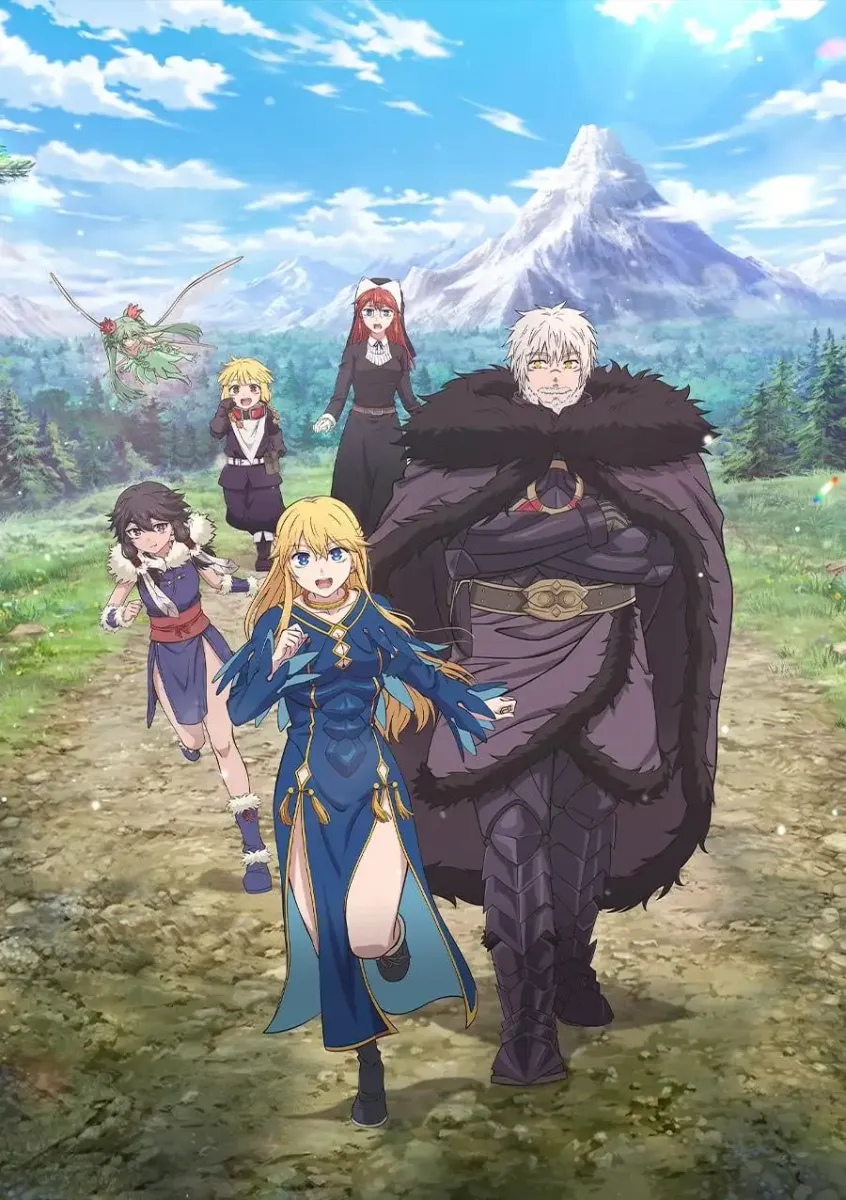
The Warrior Princess and the Barbaric King is finally pegged to hit screens in Japan on April 9, 2026, after a delay from its original October 2025 slot so the team could refine the episodes more thoroughly. It airs on AT-X, Tokyo MX, BS NTV, Kansai TV, and Wowow in Japan and will be streamed internationally via Crunchyroll under this official English title. This timing places it squarely in the spring season, which has been increasingly competitive, especially for fantasy and romcom hybrids. Animation is handled by Studio Jumondou, a studio that has quietly built a reputation for solid adaptations of property with tonal shifts between action and lighthearted interpersonal storytelling. The show’s creative leadership is anchored by director Takayuki Tanaka, whose past work includes titles where character interplay and world building get room to breathe, and series composer Miya Asakawa, scaling scripts that balance comedy with genuine emotional stakes.
Creators, Direction, and Voice Cast
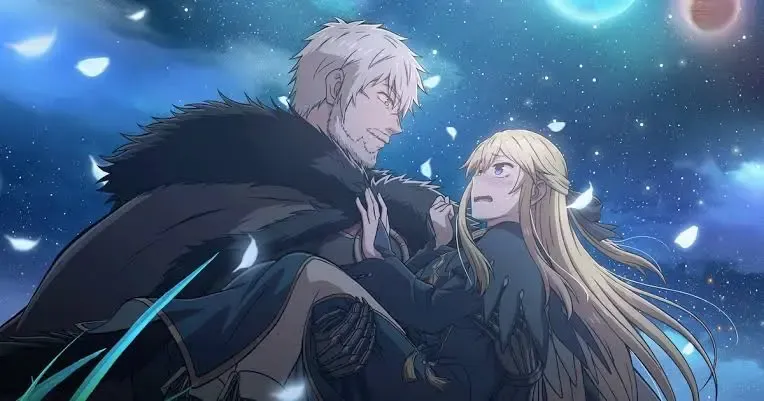
At the heart of what makes this adaptation feel grounded instead of generic is its source material and the choice of voices bringing it to life. The anime comes from Noriaki Kotoba’s manga Himekishi wa Barbaroi no Yome, serialized in Bessatsu Shōnen Magazine since 2021, and its premise subverts a lot of “forced marriage” and “enemy camp immersion” tropes in smart ways. While Tanaka’s name might not yet be a household brand in every Western fan circle, his steady craftsmanship shows in how he paces relationship arcs without cheap shortcuts. Sayumi Suzushiro voices Serafina de Lavillant, the titular warrior princess; Suzushiro’s past roles include sharp, emotionally literate characters who resist easy categorization, so she’s a promising fit here. Satoshi Inomata takes on Veor, the charismatic barbaric king, while Kana Hishikawa and Aki Toyosaki round out the main ensemble with memorable supporting roles. On the visual side, Masayoshi Kikuchi leads character design, creating the sort of expressive but grounded looks that help both battle sequences and quieter scenes land. Arisa Okehazama provides music designed to walk the line between sweeping fantasy and personal, character-driven beats.
Themes, Context, and Audience Connection
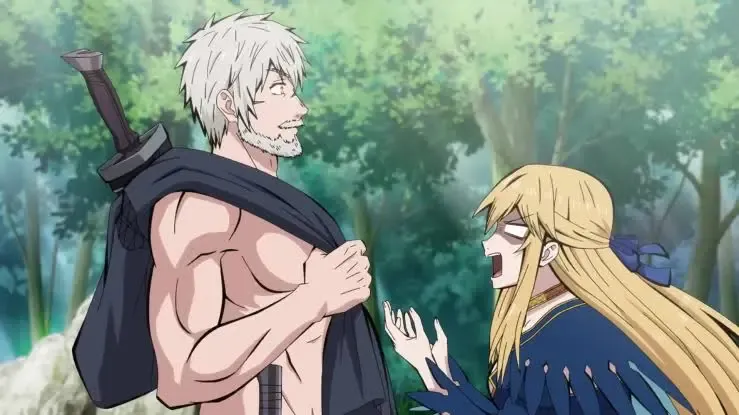
This series sits in an interesting cross-section of fantasy and character drama that resonates beyond simple “action” or “romance” labels. The premise throws Serafina, a top knight of her kingdom, into a world she’s been taught to loathe, only for that perspective to be upended by lived experience with Veor and his people. That’s where much of the chatter among manga fans lives right now: how this show reinterprets ideas about “civilization” and “barbarism” without being heavy-handed. It touches on cultural misunderstanding, personal growth under duress, and reluctant mutual respect, themes that keep discussions lively on forums like Reddit and Twitter months ahead of release. For viewers who remember titles like Ascendance of a Bookworm or The Saint’s Magic Power is Omnipotent, there’s a familiar wind here, the outside world challenging a capable female lead’s assumptions, forcing a reassessment of both identity and duty. It’s not a cookie-cutter harem comedy, nor is it pure battlefield spectacle. Instead it sits in that sweet spot where emotional reinterpretation and genre tropes mingle.
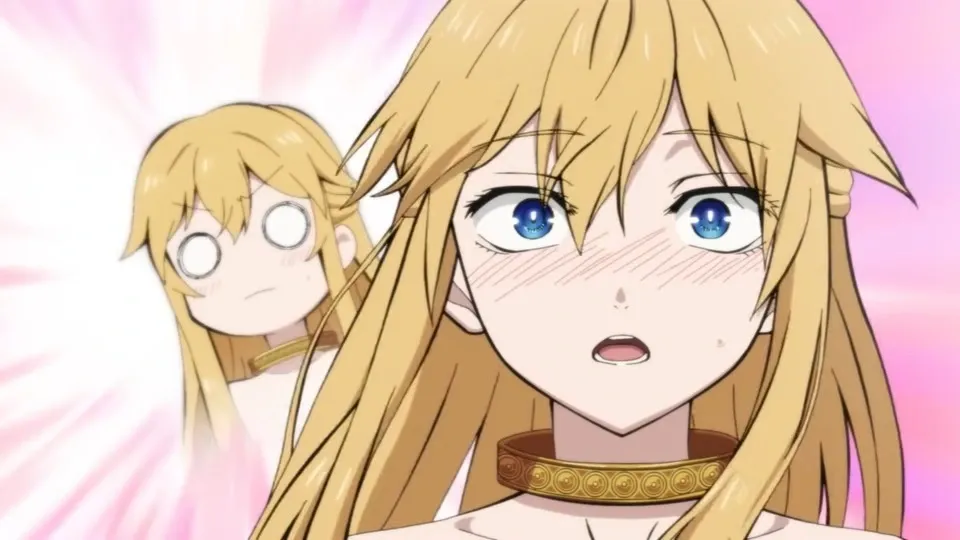
Already, the fanbase, especially those reading the manga in English via Seven Seas Entertainment’s releases, has been vocal about wanting this adaptation to do the material justice. The April 2026 delay actually stirred a lot of pragmatic optimism online: rather than bemoaning the postponement, many fans pointed to the production team’s willingness to push back the premiere as a sign they’re not chasing schedules at the expense of quality. Comparisons to other delayed but ultimately polished adaptations have been common in anime circles. There’s also talk about how this anime could reshape conversations around shonen fantasy romance by leaning into mutual respect instead of reductive tropes, it’s that nuance that a director like Tanaka can play with. Expectations aren’t inflated so much as they’re cautiously hopeful.
Conclusion
Regarding what’s next, the community remains keyed into new trailers, cast reveals, and early impressions from conventions, which will likely define the buzz leading up to April.