
There’s a different energy in the air when fans throng the cinema at dawn for the latest anime blockbuster. Picture this: a crowd buzzing with anticipation, cosplayers channeling their favorite Demon Slayer Hashira, and the cheers erupting as the Infinity Castle arc unfurls onscreen. Early-morning shows, such as for Jujutsu Kaisen 0 or Demon Slayer: Mugen Train, are not merely about viewing a film; they're parties, mapping the beat of a fandom that's gained a new place, not in living rooms, but on the biggest screens there are. For some, this transition from laptop to multiplex is not merely nostalgia or whimsy. It's evidence that what was once niche burst onto the mainstream stage, redefining the rules for both creators and fans.
Mainstreaming Anime: Box Office to Buzz
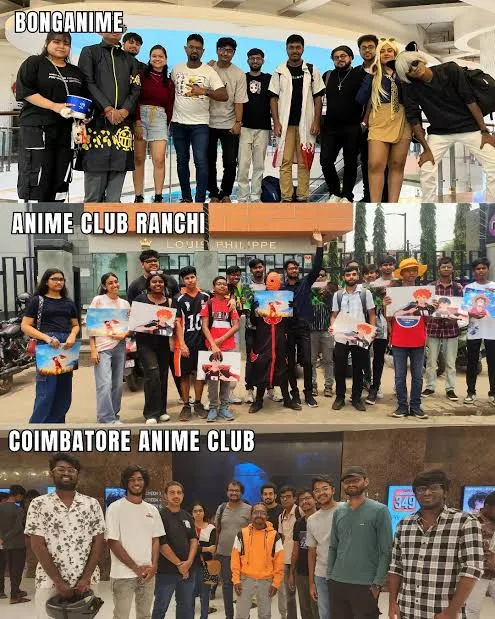
(Credits--> Instagram @bong_anime)
Several years ago, suggestions of anime films regularly dominating advance booking charts would have sounded outrageous. But in 2024 alone, anime hits like Demon Slayer: To the Hashira Training raked up more than ₹10 crore in box office collections in just a few days of release, while shows of classics like Spirited Away and Your Name keep the auditoriums of Mumbai, Chennai, and other cities full. Events such as Crunchyroll Anime Movie Weekend attracted more than 45,000 visitors to its most recent two editions, highlighting that anime is not only a subculture, but also a fast-expanding commercial entity.
Multiplex chains have taken notice. One Piece Film: Red or My Hero Academia fan meetups are now calendar events, happenings that witness merch lines as long as the ticket lines. Cinemas themselves are now arenas for new friendship and fervent discussion, and its evidence enough that the emotional connectivity of anime is even more compelling in a collective, cinematic experience.
Dubbing, Team Spirit, and the Roots of Fandom
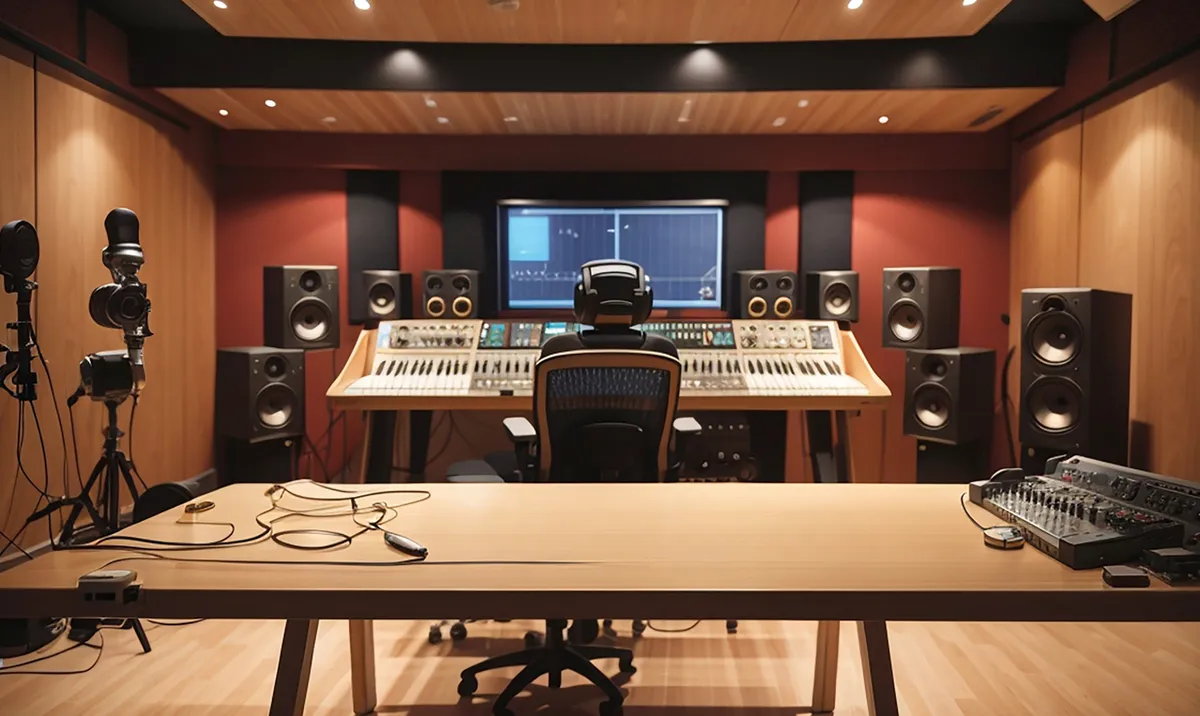
(Credits--> ChennaiTop10.com)
This cinematic boom is indebted to Hindi-dubbed films on TV. The generations that grew up watching Dragon Ball Z and Naruto on Toonami, Pokémon and Beyblade on Hungama TV, Doraemon and Shinchan on Disney Channel, and Digimon on Animax, attribute their love to those dubbed afternoons. Not just did they initiate dubbing culture "Kamehameha!" and "Beyblade, let it rip!" joined playground vocabulary, but also laid the ground on which the current anime wave takes its pedestal.
What's new is size and social presence. No longer can fans enjoy triumphs and shock at cliffhangers alone. This cinematic experience, driven by grass-roots word-of-mouth and viral social media marketing, has brought anime to the masses far beyond its dedicated fan base.
Raising the Bar: Domestic Studios Take Note
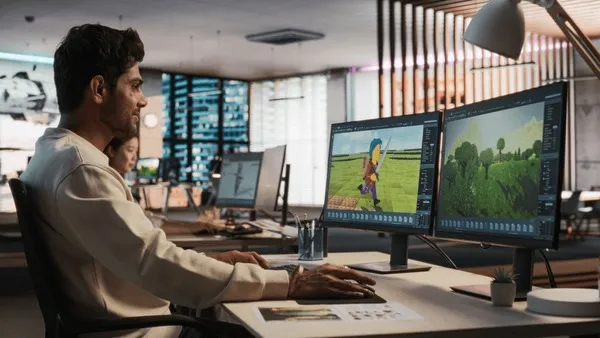
The domino effect is undeniable. While anime movies fill cinemas, local animation houses, long in the shadow of imported cartoons, are changing their strategy. Aspirational films such as "Chhota Bheem: The Rise of Kaal" now mention cinematic anime design and storytelling as reference points, aiming for the sophistication of blockbusters like Weathering with You. Modern studios are now bringing in artists who have had experience working with Japanese animation methods or working with global talent and seeking to develop stories that appeal to both regional and international audiences.
Analysts say that since 2023, there has been a 57% jump in original animation content production, much of which has been under the strong influence of anime visual style and narrative conventions. Cinemas, traditionally the exclusive arena of Hollywood biggies, are now the platform for a battle of creativity, and a call for Indian talent to rise to the occasion.
The Road Ahead: Friendly Rivalry, Big Dreams

The joy of viewing anime with a full, dedicated audience is fast turning into a rite of passage for fans, and a wake-up call for homegrown creators. While Japanese films are setting new benchmarks in terms of story and artistry, they're pushing India's studios to be bold, think bigger, and bridge the gap.
Isn't it just a matter of time before an animated epic born and raised on this ground sparks those same audiences, opening up a new golden era of animation? One thing's certain: the silver screen is only the starting point.