Season 2 of The Angel Next Door Spoils Me Rotten is officially confirmed to release on April 3, 2026. The first season aired from January to March 2023 and streamed globally on Crunchyroll, which is expected to handle international distribution again once Season 2 is ready. Animation duties remain with Project No.9, the same studio behind Season 1, keeping the visual identity consistent. Direction is once again handled by Lihua Wang, signaling continuity rather than reinvention. This is not being rushed out to chase trends, and that restraint matters for a show whose appeal lives in pacing and quiet character beats rather than spectacle.
Creators, Direction, and Voice Cast

The series is adapted from Saekisan’s light novels, with illustrations by Hanekoto, and Season 2 continues to lean into that source material rather than reshaping it for shock value. Lihua Wang’s direction in the first season was deliberately understated, favoring long pauses, domestic framing, and low key emotional escalation. That approach divided some viewers but earned loyalty from fans who wanted sincerity over theatrics. Script composition remains in the hands of Keiichiro Ochi, whose experience with character driven romance shows through in how conversations unfold without feeling scripted. On the voice acting side, Taito Ban returns as Amane Fujimiya, bringing a grounded awkwardness familiar to anyone who has heard his work in romantic supporting roles. Manaka Iwami reprises Mahiru Shiina, and her soft restrained delivery continues to define the character more than any visual cue. The chemistry between the two leads was the backbone of Season 1, and the production team has made it clear that nothing about that dynamic is being reset or diluted.
Themes, Context, and Audience Connection
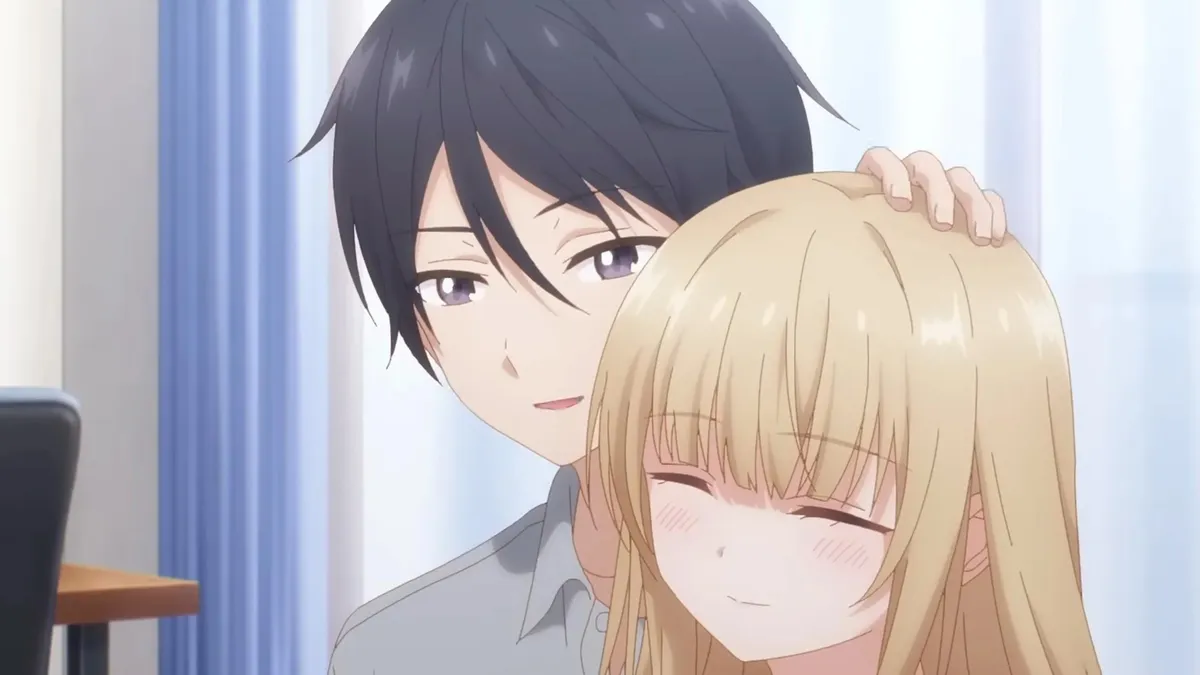
What keeps The Angel Next Door relevant is not novelty but recognition. This is a story built around emotional labor, unspoken care, and the slow dismantling of isolation. Season 1 landed at a time when low stimulus romance anime were gaining traction again, and its success proved there was still a large audience for stories that breathe. The appeal is especially strong among viewers tired of forced misunderstandings or exaggerated melodrama. Mahiru and Amane’s relationship resonates because it grows through shared routines rather than dramatic turning points. Online discussion around Season 2 reflects that same desire for continuation rather than escalation. Fans are not asking for love triangles or sudden tonal shifts. They want to see the consequences of intimacy, how reliance changes people, and how comfort can become something you fear losing. That cultural undercurrent is why this sequel matters now, especially in a market crowded with louder romances.
The Season 2 announcement was met with relief more than shock. This was not a surprise hit chasing a sequel, but a steady seller with a dedicated readership and strong streaming numbers. Comparisons to other slow burn romance titles are inevitable, yet Angel Next Door occupies a narrower lane, one defined by intimacy rather than progression checklists. Expectations are realistic. Fans are not demanding visual upgrades or narrative swerves. They want consistency, emotional follow through, and respect for what made the series work. Until a release date is locked in, updates will likely remain sparse, but that silence has not cooled enthusiasm.
Conclusion
If anything, it has reinforced the sense that Season 2 is being handled carefully. When it does return, it will do so on its own terms, and that patience is exactly why the series continues to hold its place in the conversation.