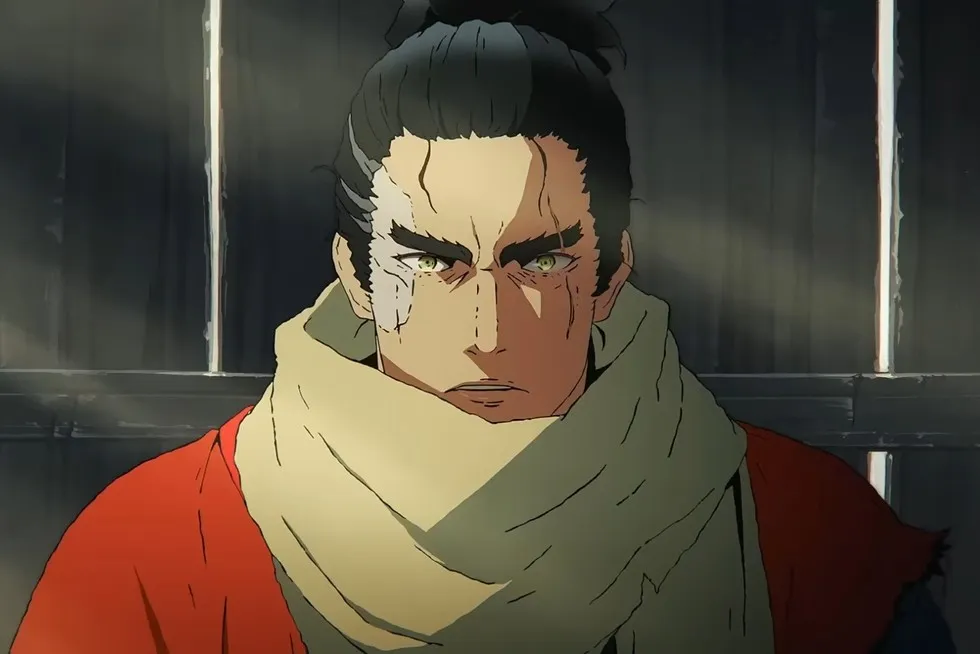
After years of whispers and "leak" culture exhausting every FromSoftware fan on the planet, we finally have the hard facts for the Sekiro: No Defeat anime adaptation. Mark your calendars for September 4, 2026, because that is when the Wolf officially makes his theatrical debut in Japan. The rollout is a bit unique, it’s starting with a high-stakes three-week limited theatrical run nationwide before it transitions to its permanent home on Crunchyroll. While the global streaming date hasn't been pinned down to the exact day yet, the production committee confirmed it will land later in 2026 for the rest of us. This isn't being handled by the usual giants like WIT or MAPPA, which might give some people pause, but the project is spearheaded by Studio Qzil.la in collaboration with KADOKAWA and ARCH. They are leaning heavily into an event-style release, clearly trying to replicate that cinematic prestige we saw with the Demon Slayer films. The decision to go theatrical first suggests they aren't just making a seasonal tie-in; they are trying to capture the sheer scale of the Ashina outskirts on a massive screen. It is a bold move for a game that famously prides itself on its "tough but fair" internal logic, but seeing the Sengoku period rendered with this much production value is exactly what the community has been asking for since the game won GOTY back in 2019.
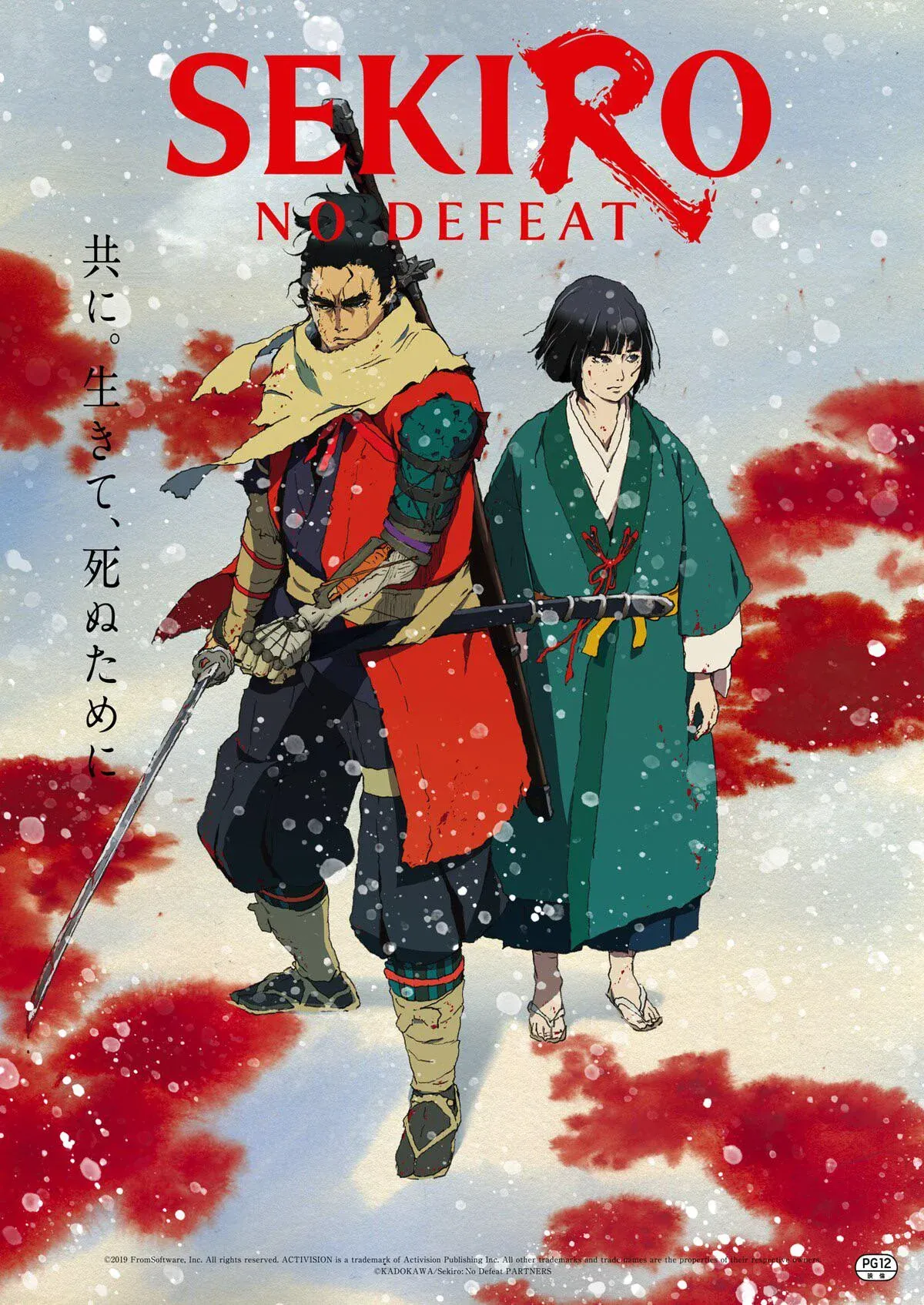
The creative muscle behind this adaptation is where things get really interesting for anyone who follows staff credits. Kenichi Kutsuna is taking the director’s chair, and while he might not be a household name for casual viewers, his work as a key animator on Naruto Shippuden.and One-Punch Man means he knows exactly how to handle high-octane choreography. If you’ve seen his work on The Fire Hunter opening, you know he has a penchant for fluid, unconventional motion, something Sekiro desperately needs to avoid looking like a generic samurai flick. Joining him is Takuya Satou on series composition, whose work on Steins;Gate gives me hope that the narrative won't just be a boss-rush montage. The visual identity is in the hands of Takahiro Kishida, the character designer who made Haikyuu!! and JoJo’s Bizarre Adventure: Golden Wind look so distinct. It’s a relief to see they aren't over-designing the characters; the trailers show a lean, mean aesthetic that respects the original game’s grit. On the voice acting front, we are getting the dream scenario: the original Japanese cast is back. Daisuke Namikawa returns as Wolf, bringing that same stoic, weary energy he’s known for, while the legendary Kenjiro Tsuda is once again voicing Genichiro Ashina. There is something about Tsuda’s gravelly, desperate tone that perfectly captures Genichiro’s "victory at any cost" mentality, and hearing him challenge the Divine Heir again in the latest trailer honestly gave me chills.
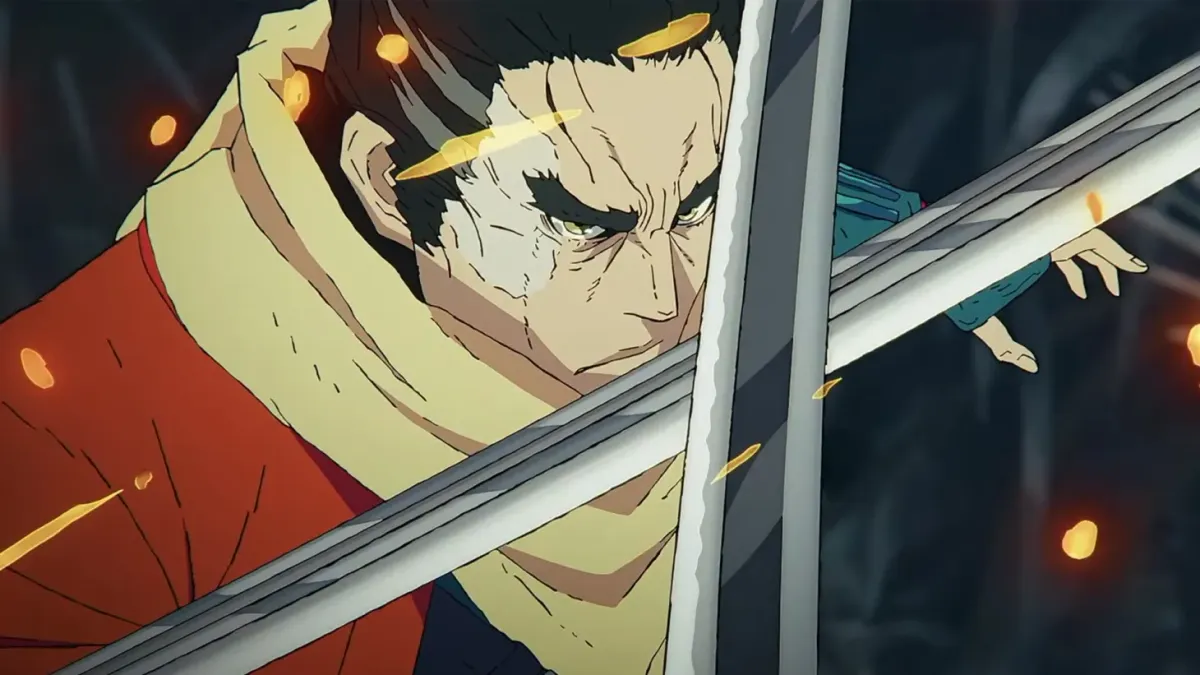
What makes Sekiro: No Defeat.feel so relevant right now is the way it’s tackling the core philosophy of "No Defeat" versus the game's "Shadows Die Twice" mantra. The anime seems to be focusing on the tragedy of the Sengoku era—a land literally rotting from the inside because of a desperate obsession with immortality. For those of us who spent a hundred hours mastering the parry system, the "No Defeat" subtitle carries a heavy weight; it’s about the Shinobi’s relentless persistence and the cost of that loyalty. The production team has been vocal about using fully hand-drawn 2D animation, explicitly stating they are avoiding generative tools to maintain the "painterly" soul of the source material. This matters because the Sekiro fandom is notoriously protective of the game's aesthetic. We’ve seen other game adaptations fall into the trap of looking too "clean" or digital, but the trailers for this project show a world that feels damp, bloody, and ancient. It’s a story about a master and a servant caught in a cycle they didn't ask for, and that emotional core is what will keep the audience invested between the sword clashes.
Conclusion
Whether it’s the looming threat of the Interior Ministry or the quiet, heartbreaking moments in the Sculptor’s temple, the anime is aiming for a grounded, Seinen-leaning tone that doesn't shy away from the brutality of its world. It’s about the burden of duty, and in an era of flashy power-fantasy anime, Sekiro's focus on struggle and technical mastery feels like a breath of fresh air.