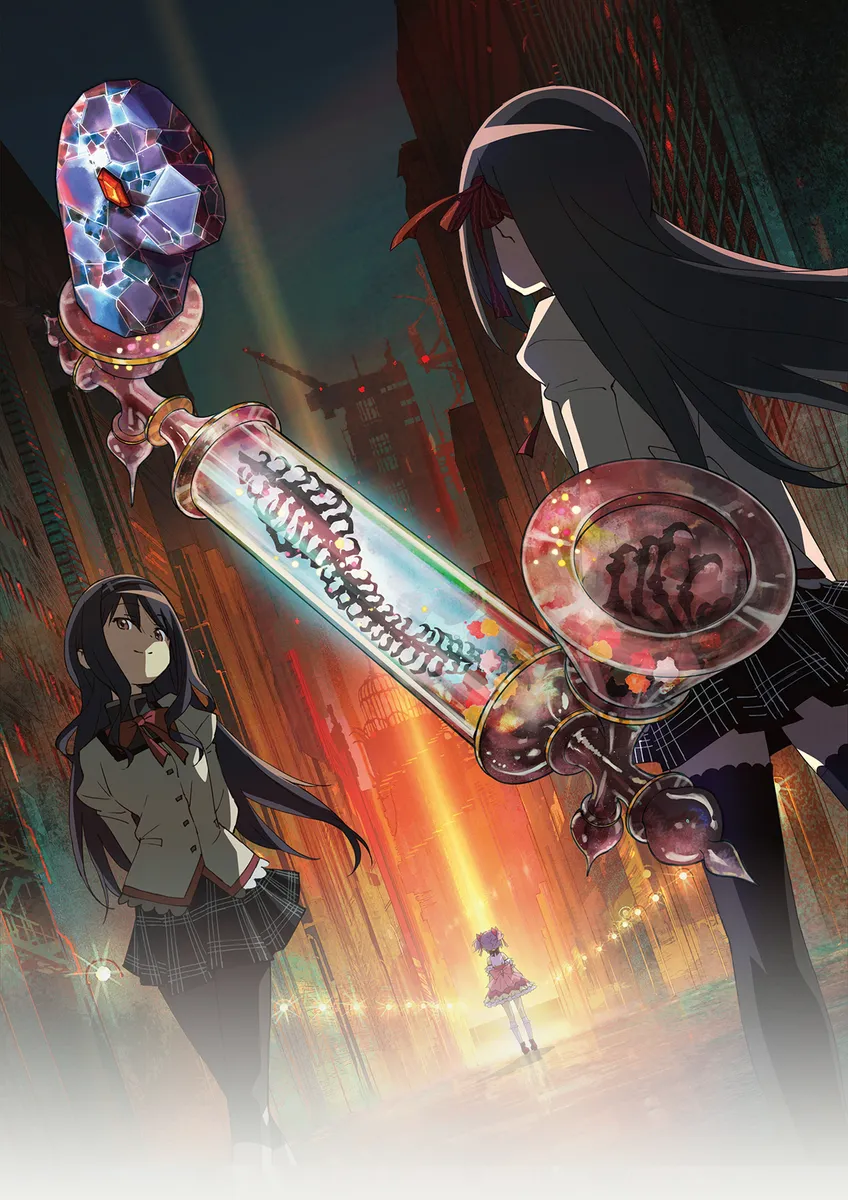
Puella Magi Madoka Magica The Movie: Walpurgisnacht Rising is officially set to hit Japanese theaters in February 2026, marking the first brand-new Madoka Magica theatrical entry in over a decade. The film is the direct sequel to Puella Magi Madoka Magica the Movie Part 3: Rebellion (2013) and had been teased, delayed and guarded closely by the production committee ever since its announcement at the franchise’s 10th anniversary event in April 2021. What was originally eyed for a 2024 release shifted first to winter 2025 and now lands firmly in February of next year. Studio SHAFT returns as the animation powerhouse behind the project, with veteran director Akiyuki Shinbo overseeing proceedings alongside co-director Yukihiro Miyamoto. It’s not just another revival project slapped together for nostalgia’s sake. The team has consistently signaled that this film attempts to bridge the surreal logic of the original series with the existential questions left unresolved at the end of Rebellion. SHAFT’s visual identity has always been integral to Madoka Magica’s unsettling tone, and here they’re leaning into that aesthetic without dilution.
Creators, Direction, and Voice Cast
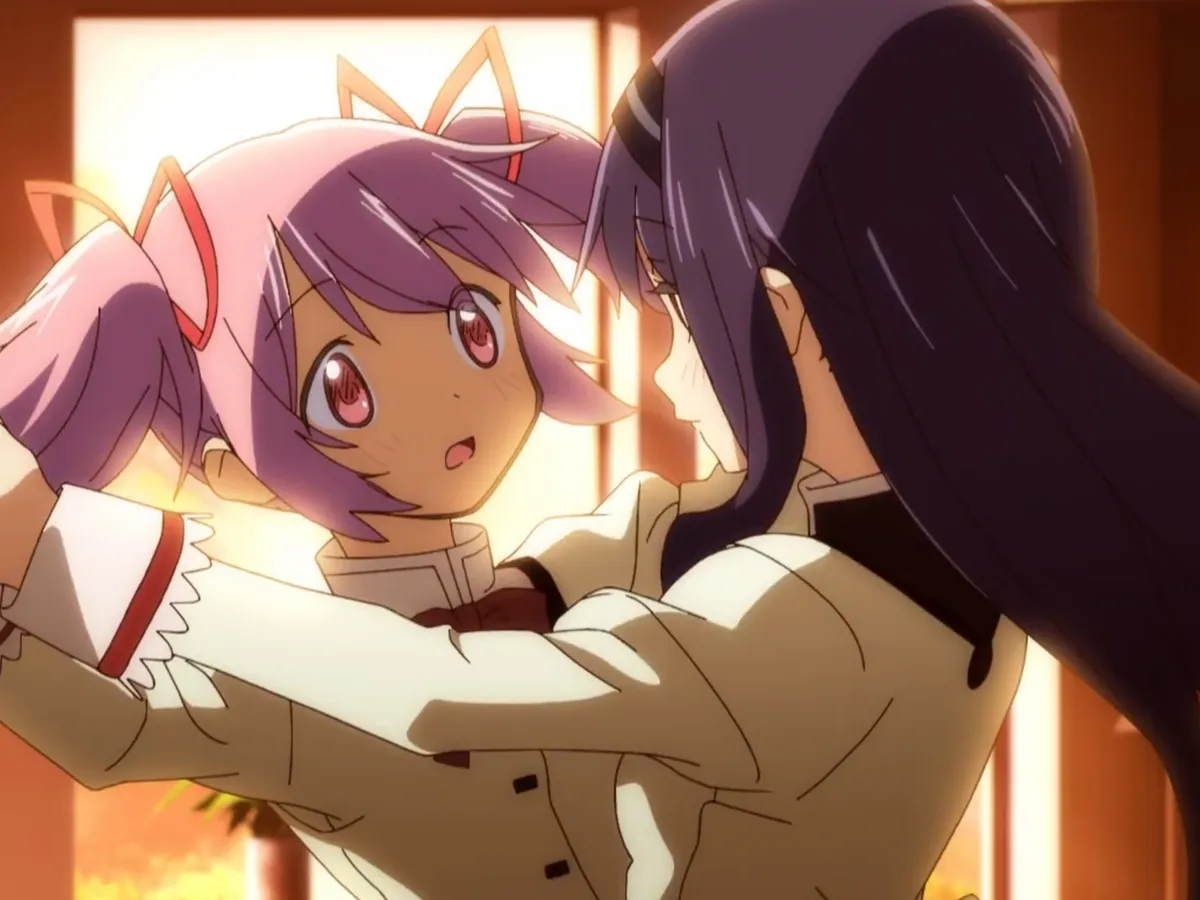
At its heart, Walpurgisnacht Rising reunites the core creative voices that defined the franchise. Gen Urobuchi is credited for the scriptwork, the same narrative architect whose writing twisted a seemingly innocuous magical girl premise into something much deeper and, frankly, darker. Yuki Kajiura returns on music, laying down the haunting soundscapes that have become as synonymous with the series as the Soul Gem motif itself. Fans will hear the familiar timbres of the original Japanese cast. Aoi Yuki once again voices Madoka Kaname with a fragility and inner strength that has only grown more resonant as the narrative has matured. Chiwa Saito’s Homura Akemi remains one of those performances where every line reads like a thesis statement about sacrifice. Kaori Mizuhashi, Eri Kitamura and Ai Nonaka round out the principal magical girl cast as Mami Tomoe, Sayaka Miki and Kyoko Sakura, respectively, while Kana Asumi returns as Nagisa Momoe and Emiri Kato as Kyubey. These are voices that have been etched into the fandom psyche for nearly fifteen years, and their presence here feels like both a comfort and a harbinger of the emotional complexity ahead.
Themes, Context, and Audience Connection

If you’ve been part of the Madoka community for a long time, you know that franchise loyalty isn’t just about cute designs or battle sequences. It’s about the way this series consistently interrogates hope, despair and the cost of wishes in ways that don’t pull punches. Walpurgisnacht Rising isn’t titled casually. Walpurgisnacht, in its prior appearances, isn’t just another witch; it’s a narrative force that embodies apocalypse-level danger and existential threat. The very idea that this entity’s cyclical impact could resurface speaks directly to the philosophical undercurrents the franchise has threaded through every adaptation. There’s already chatter on forums and social feeds about how the film might explore the stability, or instability, of the universe Homura rewrote at the end of Rebellion. That conversation isn’t merely about fan service; it’s about tying up loose cosmic threads while respecting the dense thematic texture the series built from its inception. Compared to typical sequel fatigue seen in long-running series, the Madoka community’s reaction feels grounded in genuine curiosity and critical engagement. This isn’t hype for hype’s sake, it’s analytical excitement.
Talk around Walpurgisnacht Rising has a rare blend of hopeful anticipation and cautious, almost academic speculation. Given the divisive response to Rebellion’s ending years ago, there’s a sense that fans want something that honors the franchise’s psychological depth without retreading old ground. Threads on Reddit and Twitter aren’t full of blind praise, they’re full of theorycraft about continuity, character arcs and the implications of reintroducing a titular nightmare like Walpurgisnacht. On the industry side, February 2026 positioning alongside other big seasonal releases means this film isn’t being treated as a niche afterthought. Aniplex and distributors are clearly aware that Madoka’s legacy still holds cultural cache.
Conclusion
Whether that translates to broader international screening windows or later dubbed releases is still to be seen, but early trailer drops with subtitles and global chatter suggest this will be one of the most talked-about anime films of the year. This film isn’t arriving out of nowhere. It’s a continuation, a challenge and a reckoning with everything that made Madoka Magica a conversation starter within anime circles in the first place.