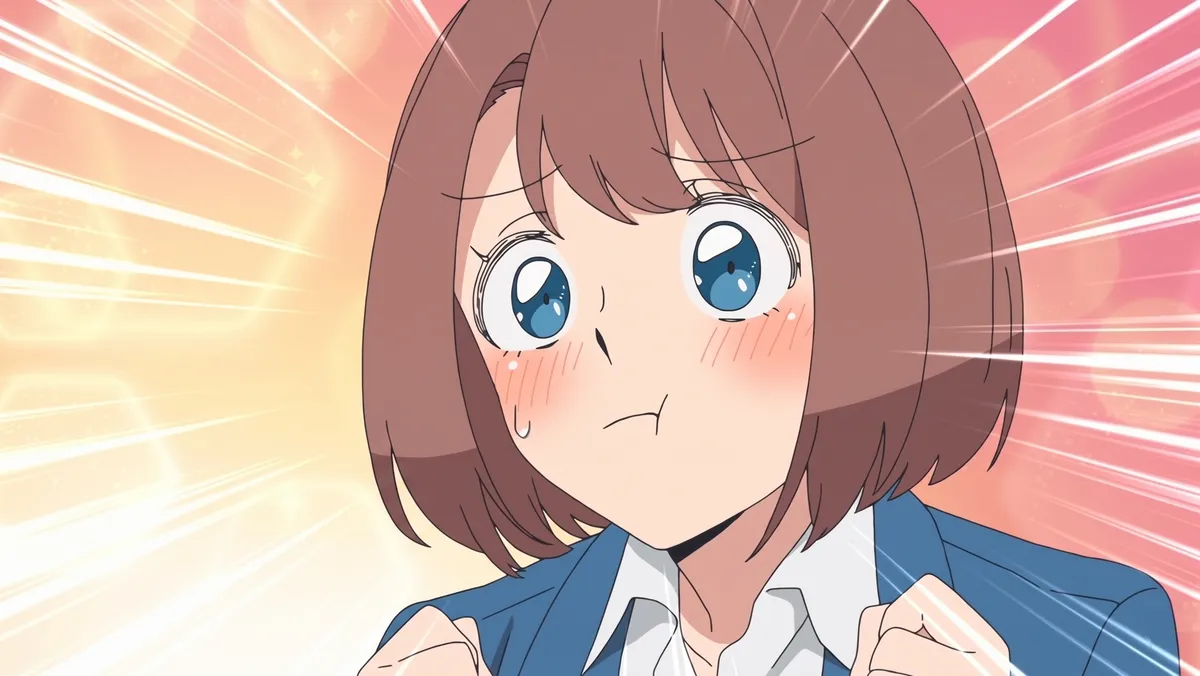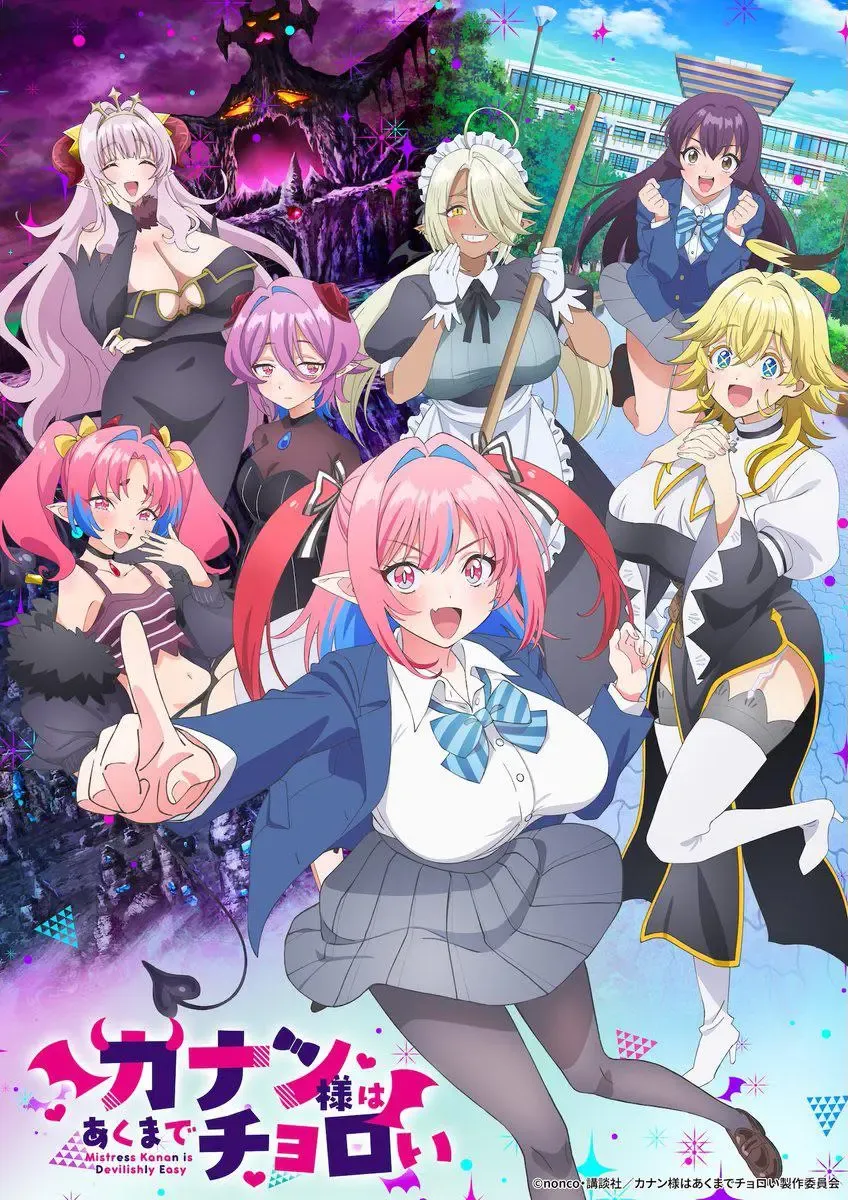
Kanan-sama Is Easy as Hell! is officially scheduled to hit screens in Japan on April 5, 2026, with broadcast set to begin on Tokyo MX and BS11 that same month. In a landscape where spring seasons fill up with big hitters, this one carved space early, showing confidence from the production committee that the rom-com crowd wants something lighter and cheekier this year. The adaptation comes courtesy of Studio Kai, a smaller player that’s been picking up momentum lately thanks to series like Hell Teacher: Jigoku Sensei Nube Part 2 alongside other 2026 projects. Yasushi Muroya directs with Rintarō Ikeda handling series composition, and the music score is by Shūhei Mutsuki. It’s a neat fit for fans who’ve followed the manga’s serialization since 2022 in Weekly Shōnen Magazine by nonco.
Creators, Direction, and Voice Cast
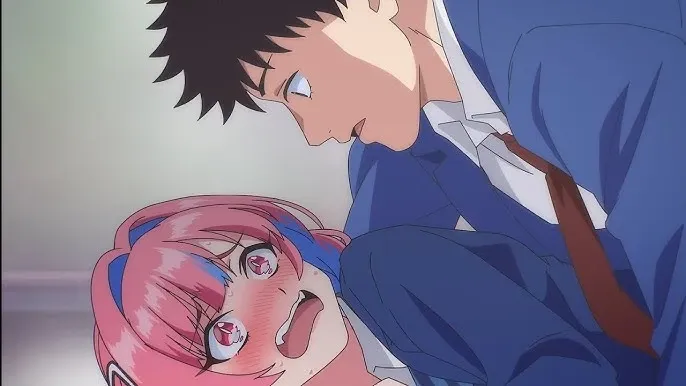
What grabbed attention once the anime was greenlit was how the team was assembled around the core cast rather than big celebrity casting. Aoi Koga leads as Kanan Takakiyo. For folks who watch a lot, that name pops because of her work as Kaguya in Kaguya-sama: Love Is War. Her knack for nuanced comedy gives Kanan’s sharp tongue and clueless heart a chance to land more than just one joke per episode. Opposite her, Seiichiro Yamashita plays Yōji Kyōgi, the human high schooler who ends up tied to Kanan’s otherworldly contract; he’s been notable recently as Cid in The Eminence in Shadow, carving out a niche in off-beat romantic and isekai adjacent roles. The rest of the ensemble comes from a mix of rising talent like Sayumi Suzushiro and veterans like Ayaka Nanase in supporting roles. Studio Kai’s character designs by Akari Minagawa and the soundtrack give the whole thing a playful energy that doesn’t feel like it’s trying too hard, just enough to carry the screwball tone of the source.
Themes, Context, and Audience Connection
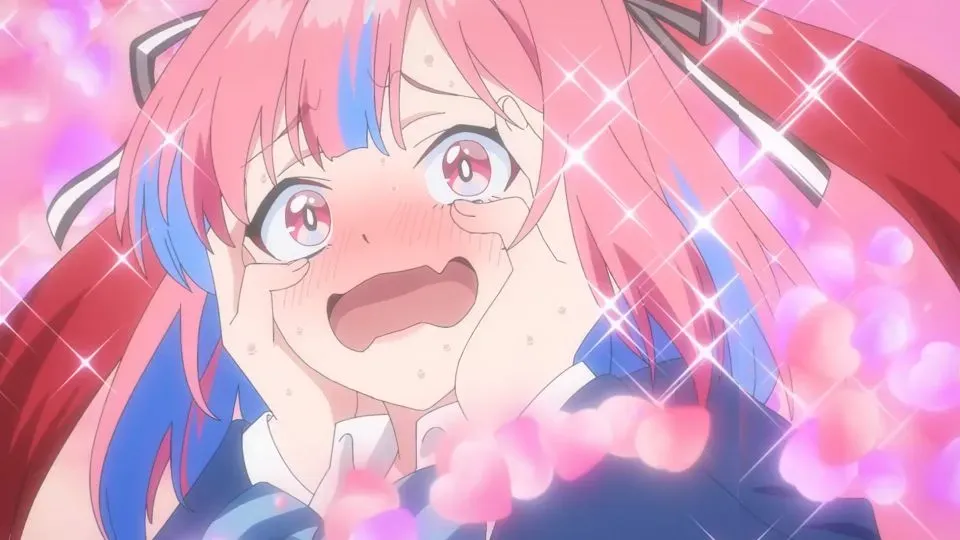
At its core, Kanan-sama Is Easy as Hell! leans into the kind of comedy that comes from genuine fish-out-of-water absurdity. It’s a demon girl’s first brush with human life and romance, and there’s this weird tension between ancient supernatural swagger and awkward teenager energy that hits with a surprising amount of charm. Fans have been citing that blend as part of why the manga gained steam online; it’s not just the laughs but the sincerity beneath the punchlines. Seeing Kanan try to parse what “dating” means after centuries of devouring souls turns out to be funnier and more relatable than it probably has any right to be. Thematically, it taps into something almost classical in rom-coms where one party is studying human life like a foreign culture, but here the contrast between cosmic powers and everyday school drama gives it its own flavor. Early chatter across forums points to this as a breath of fresh air amidst heavier releases coming this spring season.
People who’ve been tracking this since the anime announcement in April 2025 have been casting around for comparisons, and what’s interesting is how many recent commenters reference earlier rom-coms as touchstones without it feeling derivative. They’re talking about Kanan-sama on its own terms, which is a good sign. The hype isn’t just noise either; there’s a real sense of anticipation in niche corners of the anime community because this isn’t a big franchise adaptation, it’s a smaller title getting a well-planned lift into animation. Expectations are cautiously optimistic, with many fans curious how Studio Kai’s pacing and comedic timing will hold up across a television season rather than a handful of trailers.
Conclusion
With the confirmed staff and cast, there’s a real feeling this could be one of those sleeper hits that expands beyond its original reader base once episodes start airing.
Updates
After watching the anime, the aired episodes provide a vivid showcase of this transformation, where the abstract concepts of the source material are given a rhythmic, mechanical life. There is a specific weight to the way the animation depicts the assembly of the first steam engines and the forging of new alloys, treating these moments of engineering with the same reverence usually reserved for high-magic duels. By focusing on the gritty, soot-stained reality of the workshops, the series allows the audience to witness the witches’ roles shifting from outcasts to the literal engines of a burgeoning society. This visual storytelling highlights a profound shift in the narrative’s world: progress is no longer an accidental miracle, but a repeatable, logical process fueled by the partnership between Roland’s foresight and the witches' unique capabilities. It is this grounded approach to world-building that makes the eventual rise of Border Town feel not just like a fantasy trope, but like an earned victory for a community finally looking toward a brighter, more rational horizon.