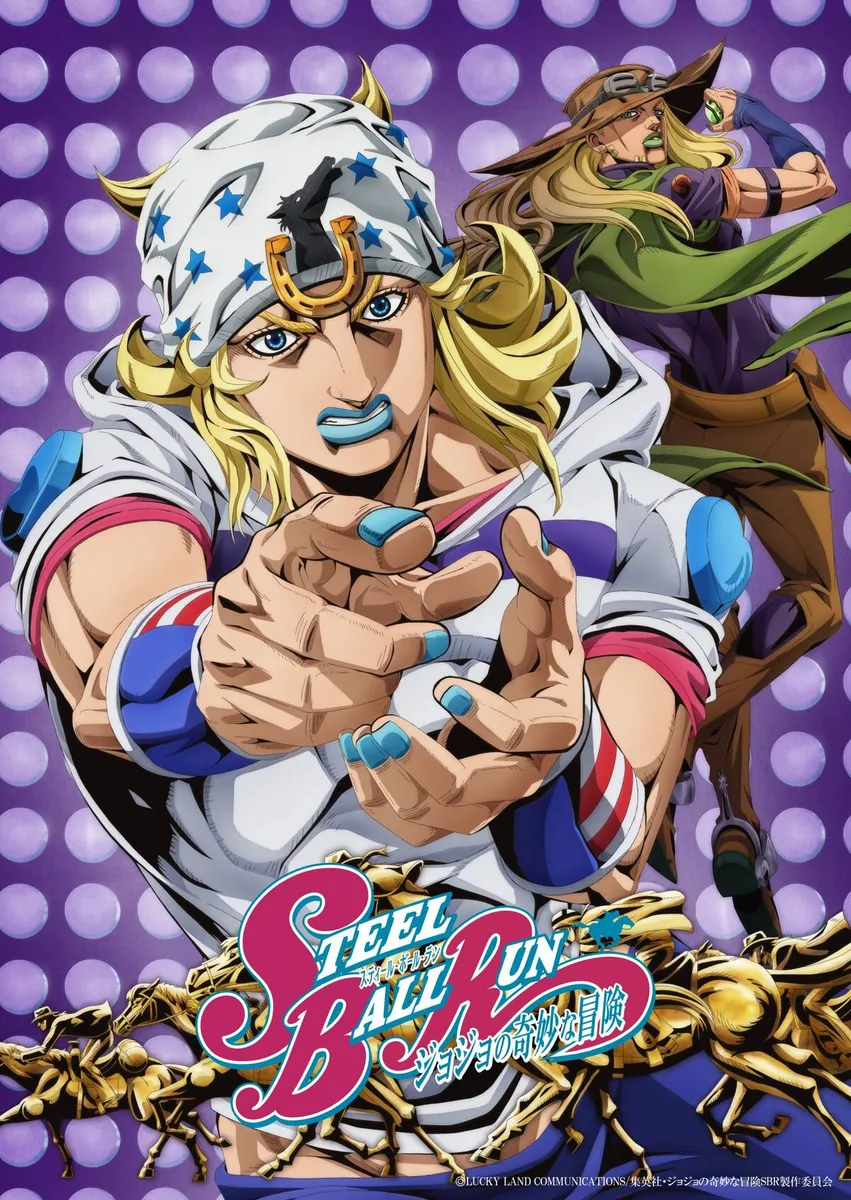
The anime adaptation of JoJo’s Bizarre Adventure Part 7: Steel Ball Run is officially happening, and yes, there is a confirmed release window. The series is scheduled to start on March 19 2026, with distribution around the world being via Netflix. While an exact month or episode format has not yet been determined, Netflix's involvement strongly indicates it's going to be a worldwide release rather than a staggered regional drop. Animation is handled once again by David Production, the studio that has carried JoJo from Phantom Blood all the way through Stone Ocean. Direction is led by Yasuhiro Kimura with series composition by Hideya Takahashi, while series director duties fall to Toshiyuki Kato. This matters because Steel Ball Run is not just another arc. It's a structural reset for JoJo as a franchise, and David Production treating it as a big event rather than routine continuation sets the tone early.
Creators, Direction, and Voice Cast
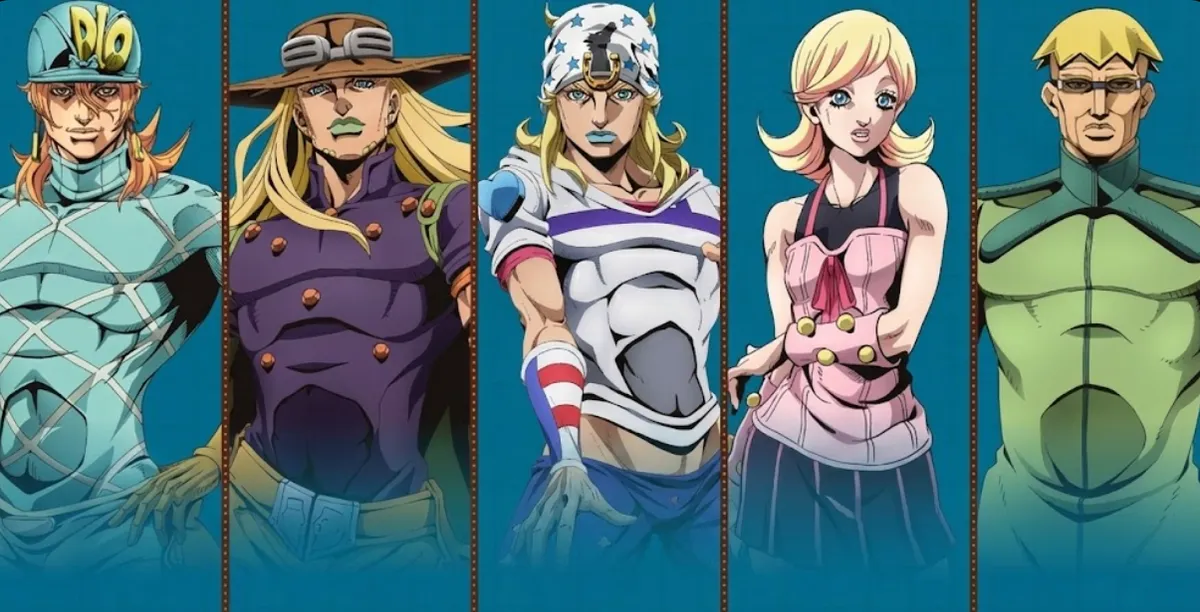
In the center of Steel Ball Run is Hirohiko Araki, and this adaptation stays closely tied to his intent rather than smoothing things out for accessibility. Series composition is handled by Yasuko Kobayashi, whose experience with complex long running narratives is crucial for an arc this dense. Character designs are led by Daisuke Tsumagari, maintaining the sharp, angular evolution of Araki’s late era art style. Music returns under Yugo Kanno, whose work has become inseparable from JoJo’s modern identity. As for the cast, Johnny Joestar and Gyro Zeppeli have already been confirmed to headline the series, with full Japanese voice actor details being rolled out gradually through official events. Early impressions from previews suggest performances that lean heavily into emotional restraint rather than exaggerated bravado, which fits Steel Ball Run’s tone far better than bombast.
Themes, Context, and Audience Connection
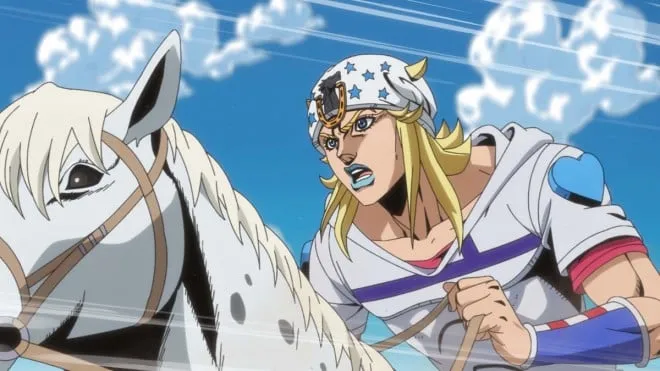
Steel Ball Run is often called the best JoJo part for a reason, and it has absolutely nothing to do with nostalgia. Set during a transcontinental horse race across America, the story reframes JoJo around endurance, belief, and personal rebirth. Johnny's arc is not about destiny or inherited will; it is about reclaiming agency after losing everything. Gyro's philosophy clashes with Johnny's desperation in a way that feels much closer to a character drama than it does to a more traditional battle anime. For longtime fans, this arc marked the moment JoJo stopped escalating power systems and started digging inward. That shift is why the adaptation matters right now. Anime audiences are far more receptive to morally gray protagonists and slower emotional payoffs than they were a decade ago. Steel Ball Run lands in a landscape that is finally ready for it.
The hype has been more measured in tone than one might expect, considering this news. Fans know that Steel Ball Run dies or lives based on pacing and atmosphere, rather than on spectacle alone. The online discussion has been less about flashy animation and more about how the anime will handle long stretches of tension, internal monologue, and ideological conflict. Comparisons to other JoJo parts are inevitable, but most seem to agree that this adaptation should in no way feel like Stone Ocean or Golden Wind.
Conclusion
Expectations are high and realistic alike, now with Netflix backing the project and the release being confirmed for 2026. If David Production can stick the landing, Steel Ball Run could potentially redefine what a legacy shonen adaptation may look like during this modern era of anime. This is not just the next JoJo part; this is a statement of how much the medium has grown.