
Hideaki Anno has never been interested in making things comfortable for his audience, and his latest comments make that clearer than ever. In a recent interview reported by AUTOMATON WEST, the Hideaki Anno director addressed the growing push for Japanese creators to design their work for global consumption. His response was blunt. “I’m sorry, but it’s going to have to be the audience that adapts.”
Coming from the man behind Neon Genesis Evangelion, the statement feels less like provocation and more like a restatement of a philosophy he has followed for decades. Evangelion was never built to be easily digestible. It confused viewers, alienated casual fans, and rejected traditional narrative payoff, yet it went on to become one of the most influential anime ever made. Anno's point is simple: Works that try to flatten themselves for international appeal often lose the very identity that made them worth exporting in the first place.

The timing of this comment matters. Anime is more global than it has ever been. Streaming platforms now demand broad accessibility, clean localization, and narratives that travel well across cultures. Some studios are openly designing shows with international markets in mind, adjusting pacing, tone, and even character archetypes to fit global expectations. Anno sees this as a creative dead end. For him, anime should remain rooted in the culture and personal obsessions of its creators, even if that makes it harder to approach. Especially if it does.
This mindset has sparked debate among fans. Some argue that refusing to adapt risks shutting out new audiences, especially those encountering anime for the first time. Others see Anno’s stance as a necessary counterbalance to an industry drifting toward homogenization. Evangelion did not explain itself. It demanded attention, emotional investment, and patience. That demand is precisely why it still resonates nearly thirty years later.
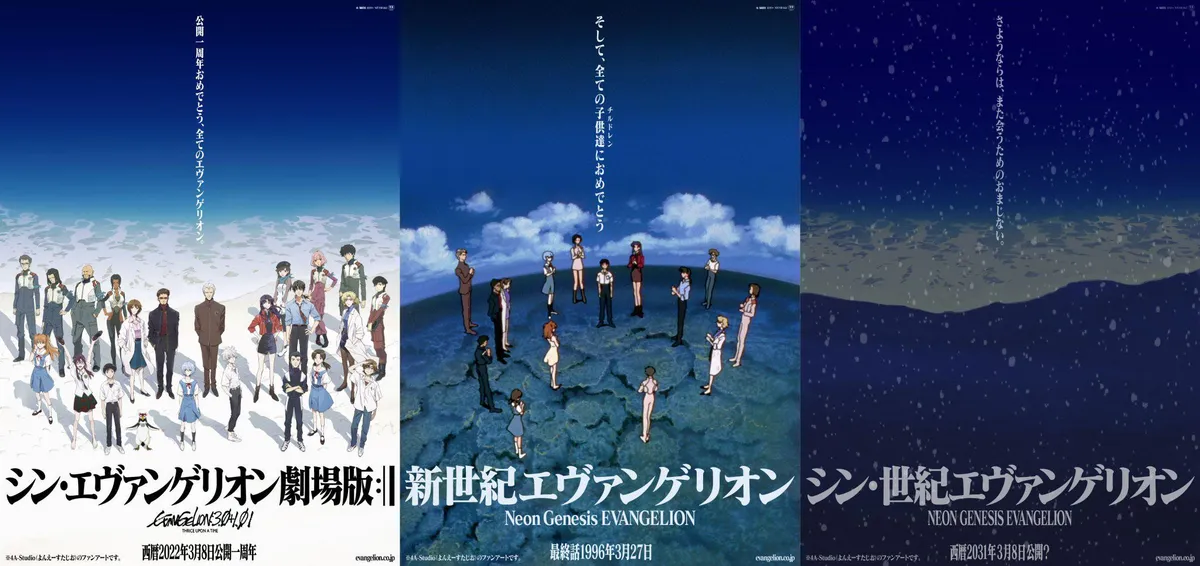
Anno’s career backs up his argument. From Evangelion’s original ending to the Rebuild films, his work has consistently rejected audience expectation as a guiding principle. Instead of chasing approval, he focuses on honesty, even when that honesty is uncomfortable or confusing. His belief is that art should challenge first and accommodate second, if at all.
In an era where creative industries increasingly prioritize algorithms, metrics, and global trends, Anno’s comment feels almost defiant. It reminds fans why anime became globally beloved in the first place. Not because it tried to be universal, but because it was unapologetically specific.