Rudo isn’t just a hero, he’s a survivor. Thrown into a world that calls him trash, he turns scraps into strength, and he gives pain a purpose. His enemies aren’t just monsters, they are people who forgot their humanity. Gachiakuta reminds us how easily power corrupts, and how resilience saves.
When Gachiakuta debuts in July of 2025, Studio Bones is making a statement, a 24-episode first season for a new property. That's faith, particularly in an industry where most debuts receive half that amount. Based on Kei Urana's popular manga (ongoing since 2022 and currently at 16 volumes), Gachiakuta immediately hit a chord with fans worldwide. With Crunchyroll streaming it worldwide, the show’s early numbers show surging viewership across Asia and Europe, making it one of the most promising breakouts of the year. For fans of Chainsaw Man and Dorohedoro, this is familiar territory, but Gachiakuta takes that chaos and grounds it in something real. It’s not just weird for weird’s sake. It’s about finding worth in what the world calls worthless.
Street Art Meets Soul
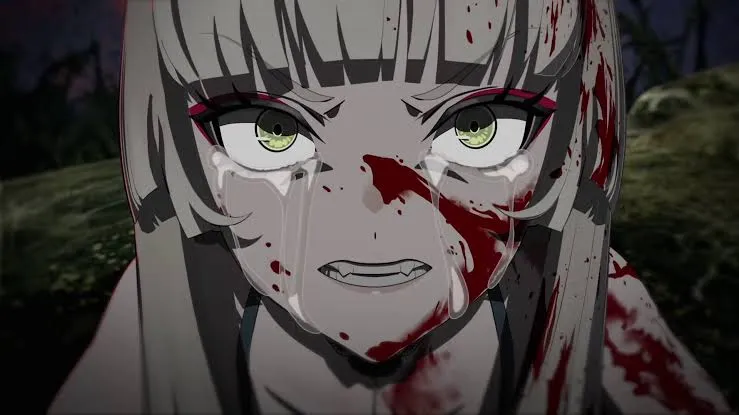
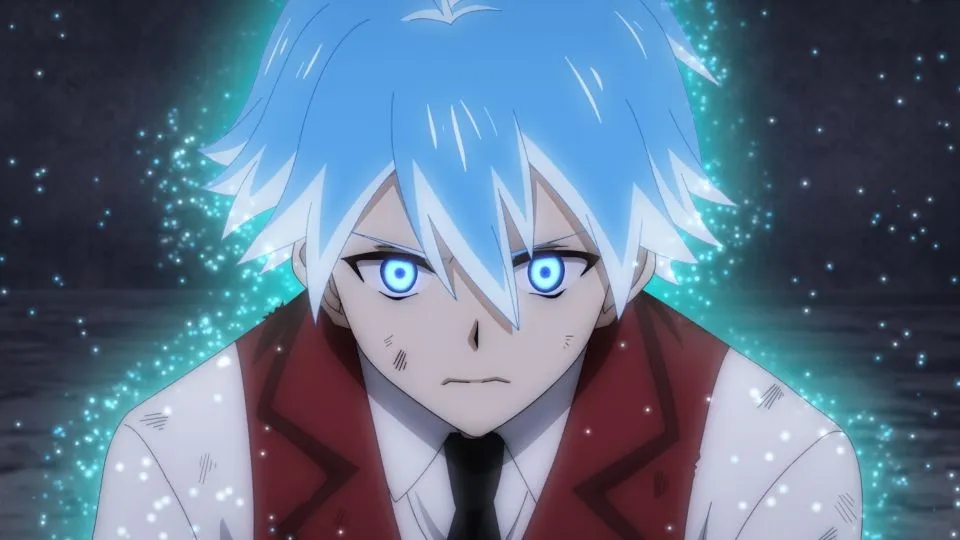
Visually, Gachiakuta is a riot. Its art style borrows from graffiti, punk graphics, and gritty street design, splashing paint and grime in equal proportions. Illustrator Hideyoshi Andō infuses each line with jagged beauty; characters resemble being painted on a brick wall during an explosion. The world is alive, rough, and beautifully imperfect. But the artwork's only half the tale. Under the neon grime is a message that resonates deep: "The world may throw you away, but you can still make something out of it." For a generation of people socialized to hustle culture, encircled by inequality and ongoing pressure, Rudo's battle becomes survival no longer, but self-definition.
The Struggle That Speaks Universally
Throughout the world where opportunity seems unbalanced, from India's burgeoning youth culture to Europe's urban grind, Gachiakuta speaks because it doesn't celebrate heroism; it celebrates effort. Rudo's every weapon is constructed out of scraps. Every fight is a grind. Every scar means something. Audiences resonate not because Rudo's a chosen one, but because he might be anyone, anyone who's been underestimated, dismissed, or discarded. That's what makes this the most human dark fantasy anime in years: it reflects real emotional survival, not fantasy stakes.
A Shift in the Industry
The world of anime is changing quickly, global streaming, reduced production times, and a demand for sincerity over finish. Gachiakuta is at that intersection. It demonstrates that raw emotion, socially conscious storytelling, and art with an edge can go just as far as shiny, idol-centric shows. It's a revolution in ways other than one, against beauty itself, against indifference, against oblivion. Rudo is not merely killing monsters; he's constructing meaning out of abandoned aspirations.
Final Thought
Ultimately, Gachiakuta is not about garbage we view, it's about worth we construct after all things break down. It poses an easy yet subversive question: When the world discards you, what will you create from the shreds left behind?