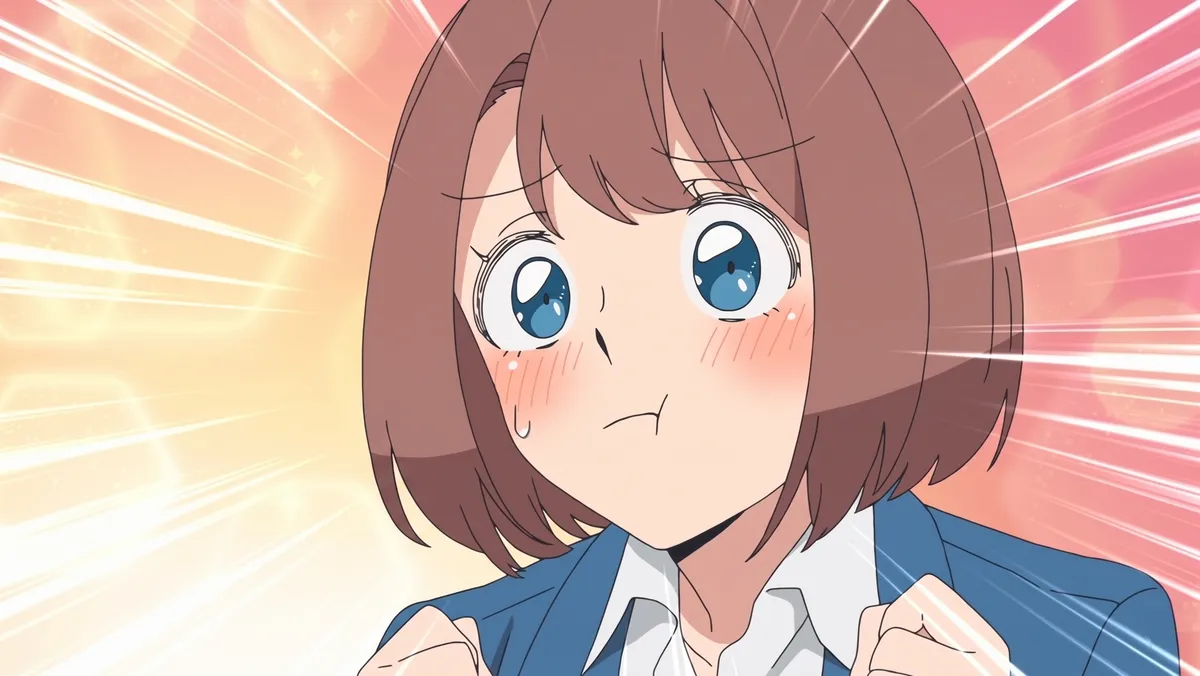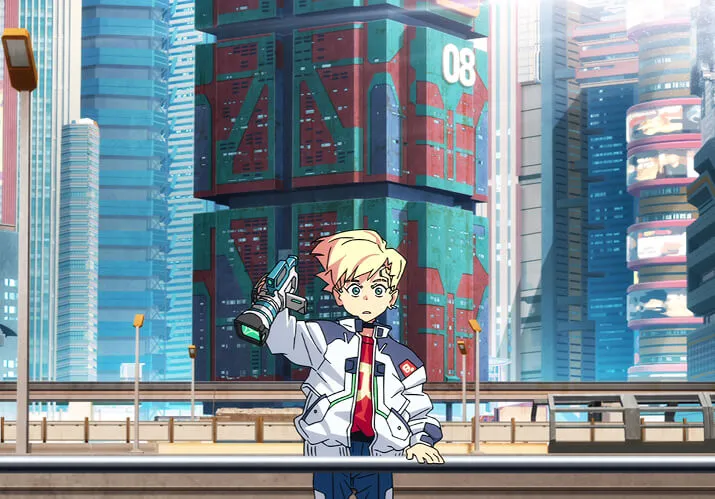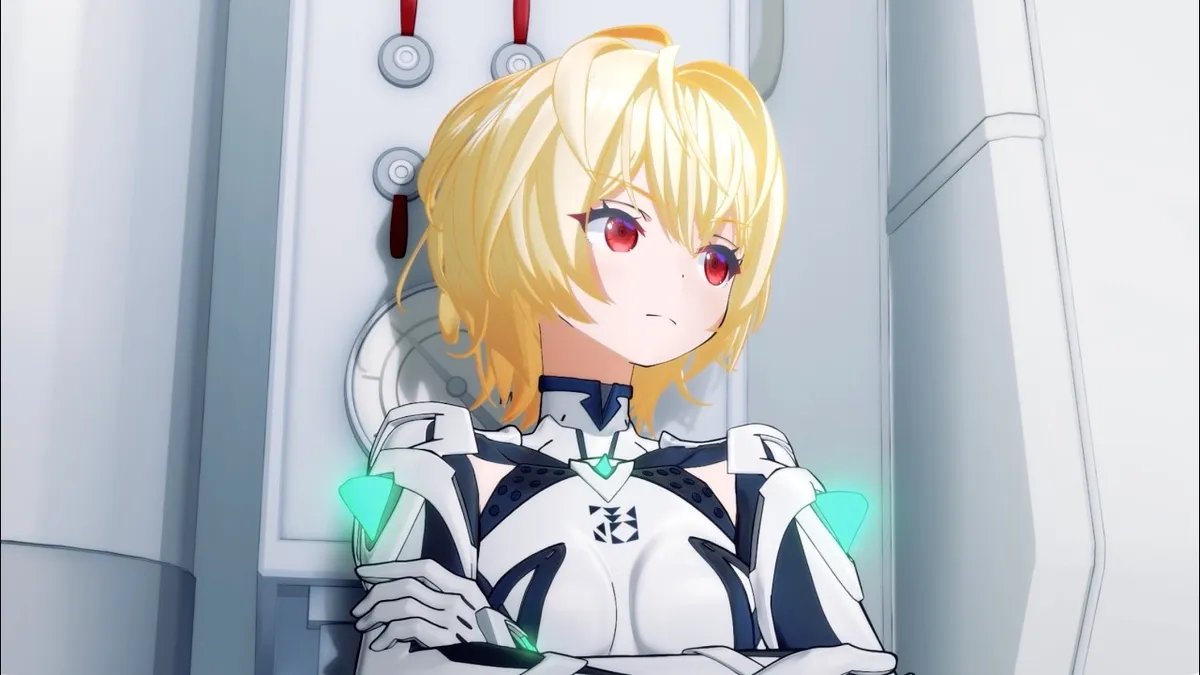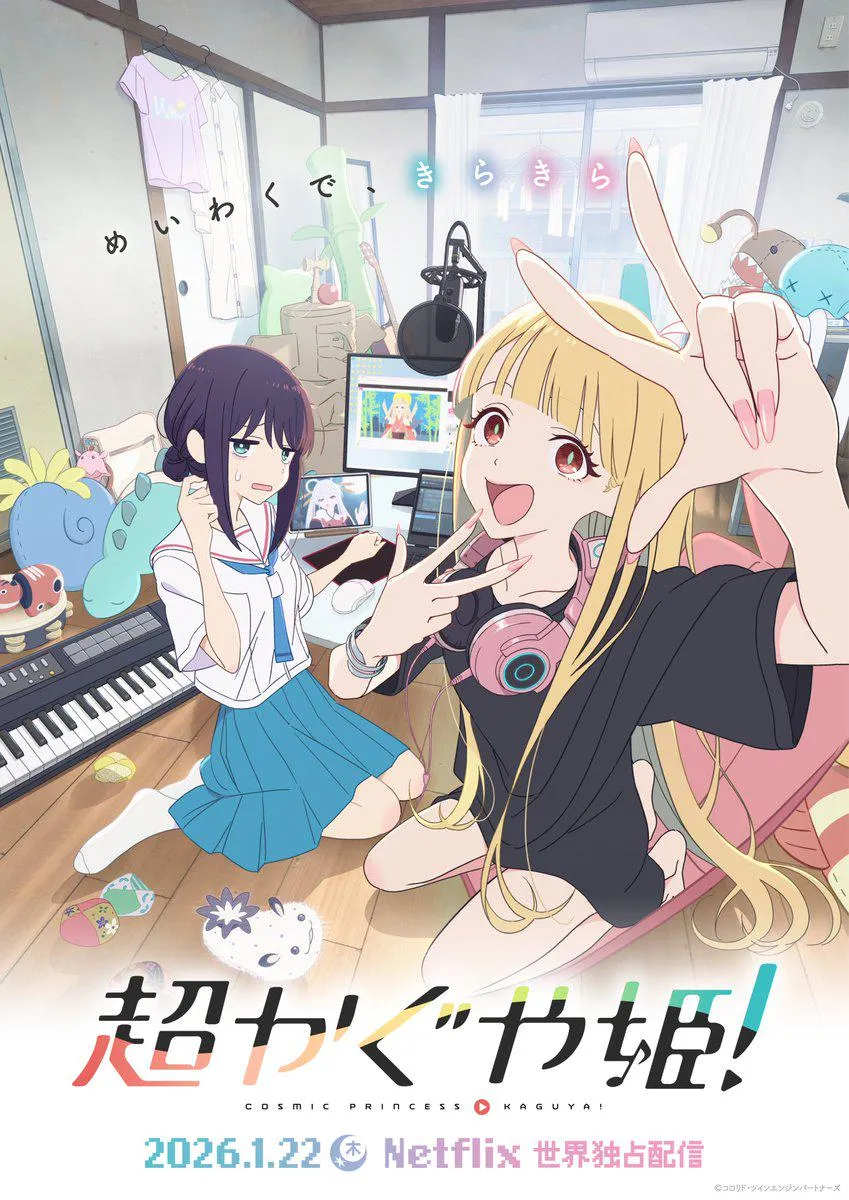
Cosmic Princess Kaguya officially premieres worldwide on Netflix on January 22 2026. That date applies to Japan and international regions including India, with no staggered rollout or theatrical window attached. Netflix confirmed early on that this project was built specifically as a global streaming film, and that decision already shapes how fans are talking about it. The animation is handled by Studio Colorido in collaboration with Studio Chromato, marking Chromato’s first large scale anime production. Direction is led by Shingo Yamashita, best known for redefining modern anime openings and action cuts, now stepping into his first full length feature film role. The runtime pushes past two hours, which signals confidence rather than restraint. This is not a short experiment or a side project. It is positioned as a major release in Netflix’s anime lineup for early 2026.
Creators, Direction, and Voice Cast
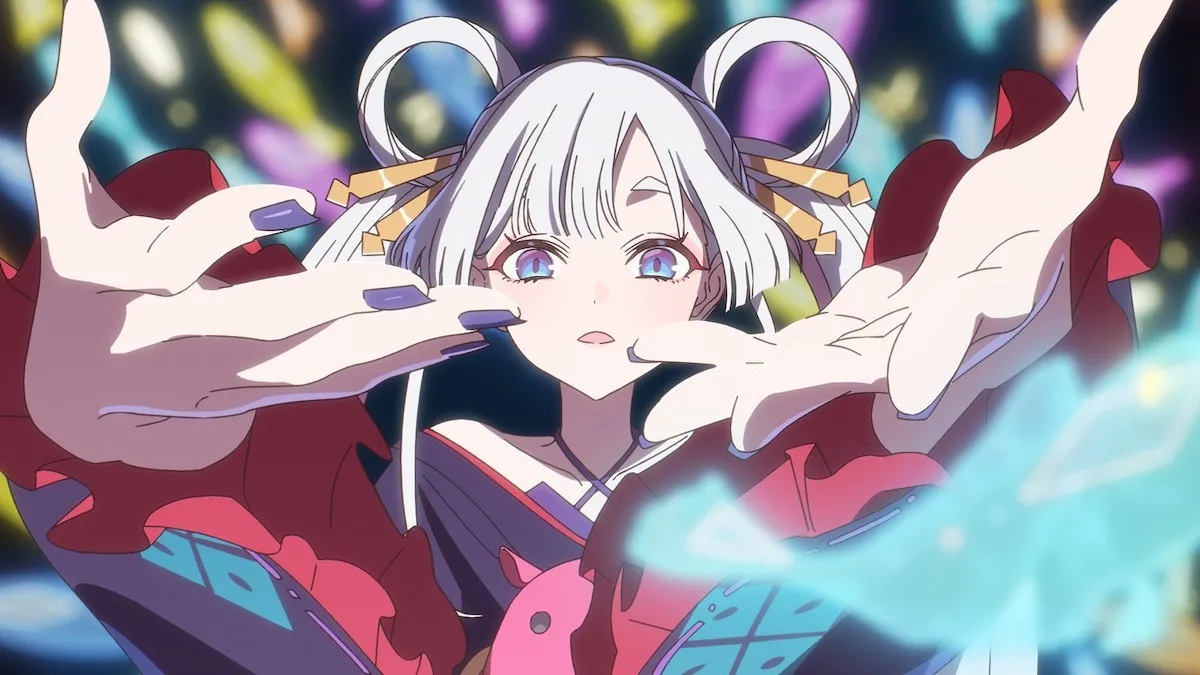
Yamashita is not just directing here. He also co wrote the screenplay alongside Saeri Natsuo, reshaping the familiar Princess Kaguya folktale into something rooted in music, performance, and virtual spaces. That shift explains much of the casting. Yuko Natsuyoshi voices Kaguya, and her vocal range plays directly into the musical structure of the film. Anna Nagase takes on the role of Iroha Sakayori, grounding the story emotionally rather than theatrically. Saori Hayami voices Yachiyo Runami, and her presence alone brings a certain credibility. Fans recognize her instantly from Demon Slayer and Skip and Loafer, and she rarely attaches her name to projects without substance. Supporting roles include Rie Kugimiya, Miyu Irino, and Yuma Uchida, which rounds out a cast that feels intentional rather than flashy. Music production leans heavily on contemporary Japanese creators with roots in Vocaloid and internet music culture, reinforcing that this film wants to live in the present rather than treat its source material as a museum piece.
Themes, Context, and Audience Connection
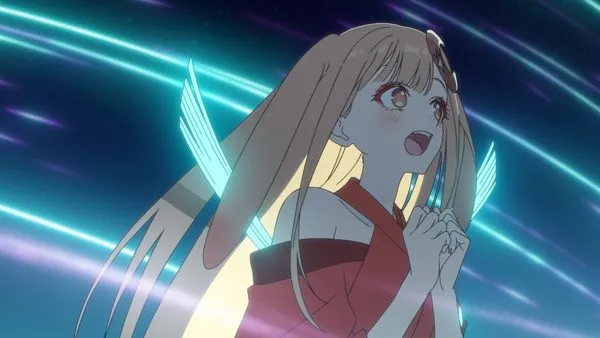
What makes Cosmic Princess Kaguya stand out is not that it adapts a classic story. Anime does that constantly. What matters is how it reframes the core conflict. This version places identity, connection, and longing inside a virtual performance world known as Tsukuyomi. The story revolves around music as a bridge rather than a backdrop, which immediately connects with fans familiar with idol narratives, digital avatars, and online personas. There is a clear tension between who someone is in a constructed space and who they are outside it. That theme feels timely without trying to sound relevant. Early reactions focus less on spectacle and more on tone. Viewers are curious whether the film leans closer to emotional intimacy or full scale musical fantasy. The comparison that keeps coming up is not to traditional folklore adaptations but to modern anime that explore self expression through performance and connection.
Reaction ahead of release has been measured but attentive. Trailers sparked discussion rather than instant hype, which is usually a good sign. Some fans naturally compare it to Studio Ghibli’s The Tale of the Princess Kaguya, but most acknowledge that the comparison ends with the name. This is a louder, more contemporary interpretation that leans into digital culture and modern sound design. Online discussion frames the film as a cultural experiment rather than a guaranteed hit, and that uncertainty is part of the appeal. With manga and novel adaptations already announced alongside the film, Netflix clearly sees long term value in the property.
Conclusion
Cosmic Princess Kaguya is not trying to dominate a season. It is trying to define a moment in how anime storytelling evolves for a global audience.