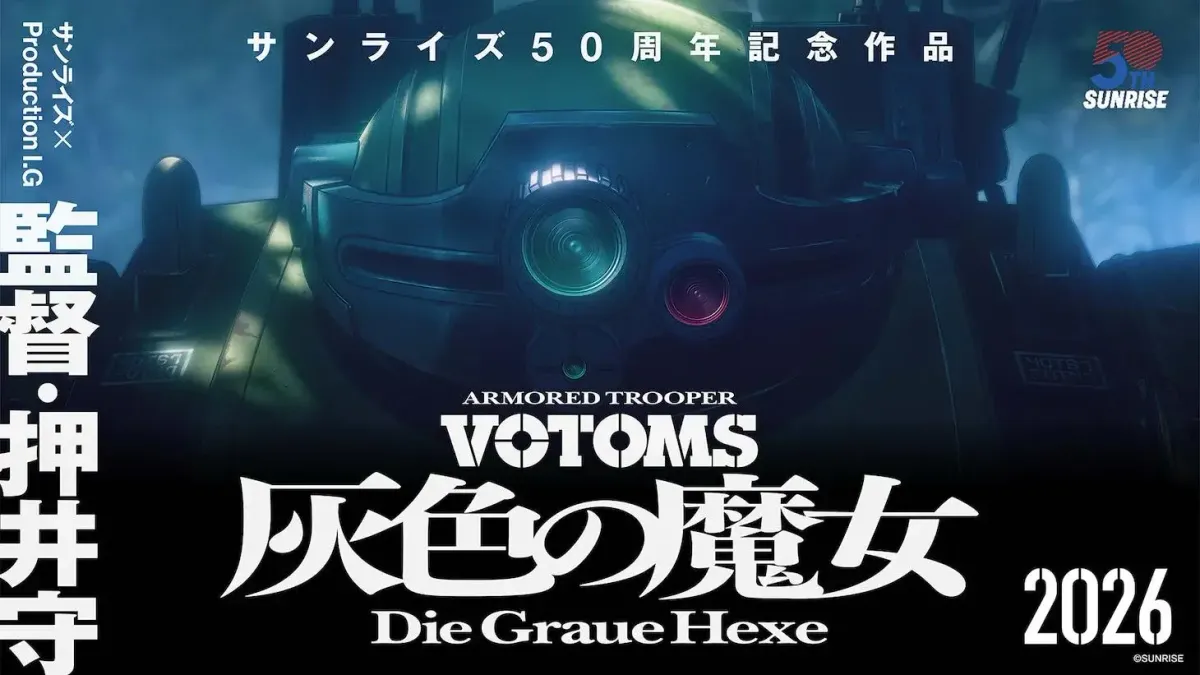
This year marks the return of a franchise that shaped how serious mecha can be, with Armored Trooper VOTOMS: Die Graue Hexe officially slated for release in 2026 as part of Sunrise’s 50th anniversary slate of projects. The exact month and platform details are still TBD, but the announcement from Sunrise and Bandai Namco Filmworks confirms the series will roll out sometime this year, marking the first all-new VOTOMS animated work in about 15 years. The production is being handled by Sunrise, with Production I.G in production cooperation, tying two studios known for consistently high craft. Mamoru Oshii, a name you don’t casually drop, has been attached as director, which in itself is enough to make seasoned fans sit up. Unlike typical OTT premieres, expect announcements about specific Japanese broadcast and international streaming slots as they lock down deals. This isn’t a glossy reboot; it’s a milestone piece in a legacy timeline, and Sunrise is treating it as such.
Creators, Direction, and Voice Cast
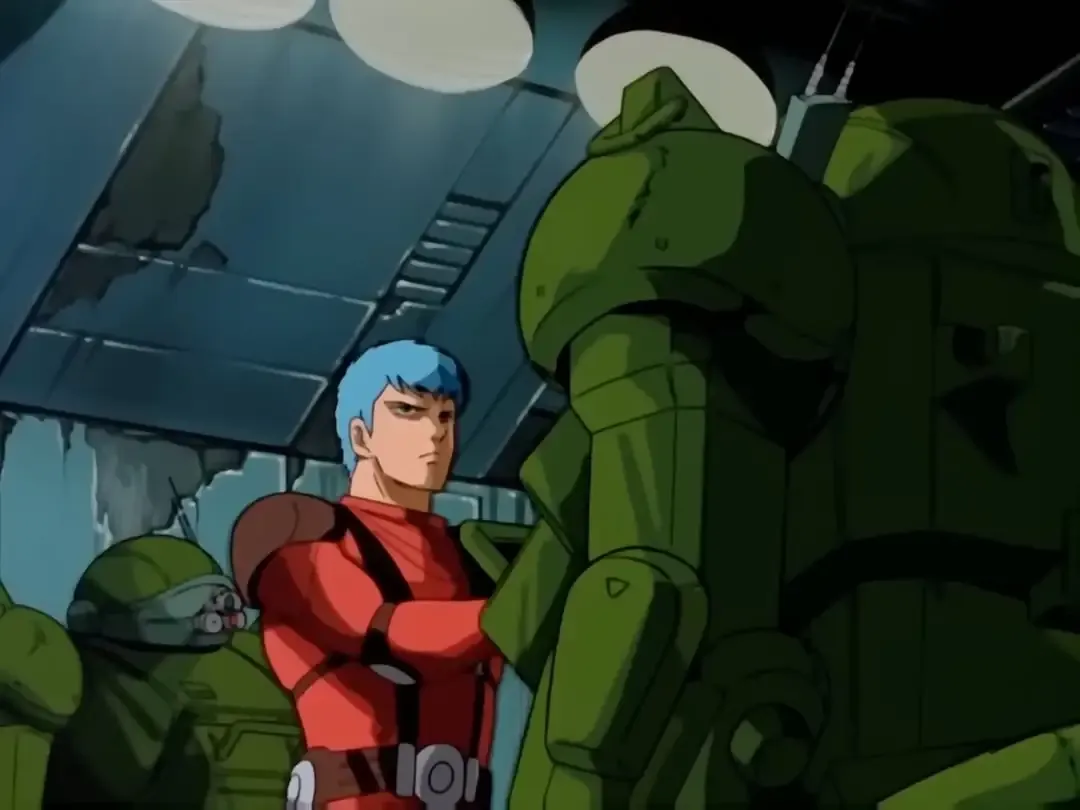
The franchise owes its long, almost mythical status to Ryōsuke Takahashi, the creator whose gritty, hard-edged storytelling helped define the real robot genre back in the early 1980s. The original series from 1983 combined political intrigue with war’s grey moral spaces, and while Die Graue Hexe is a new title, that DNA is guiding it. Bringing Mamoru Oshii into the director’s chair is fascinating because his work on titles like Ghost in the Shell and Patlabor hovers in a similar thoughtful sci-fi altitude, suggesting this won’t be surface-level nostalgia. As for the voice cast, specifics for the new cast roster haven’t been fully revealed yet, but the original Japanese run featured seasoned actors such as Hozumi Gōda, whose performance as Chirico Cuvie in past VOTOMS productions anchored the show with a weary, roving intensity familiar to fans of his other work like Hunter × Hunter as Leorio. If Die Graue Hexe taps veteran mecha voice talent or even reinvents parts of the old ensemble, it will be worth noting because casting choices will hint at whether this is a sequel, reinterpretation, or something else entirely.
Themes, Context, and Audience Connection
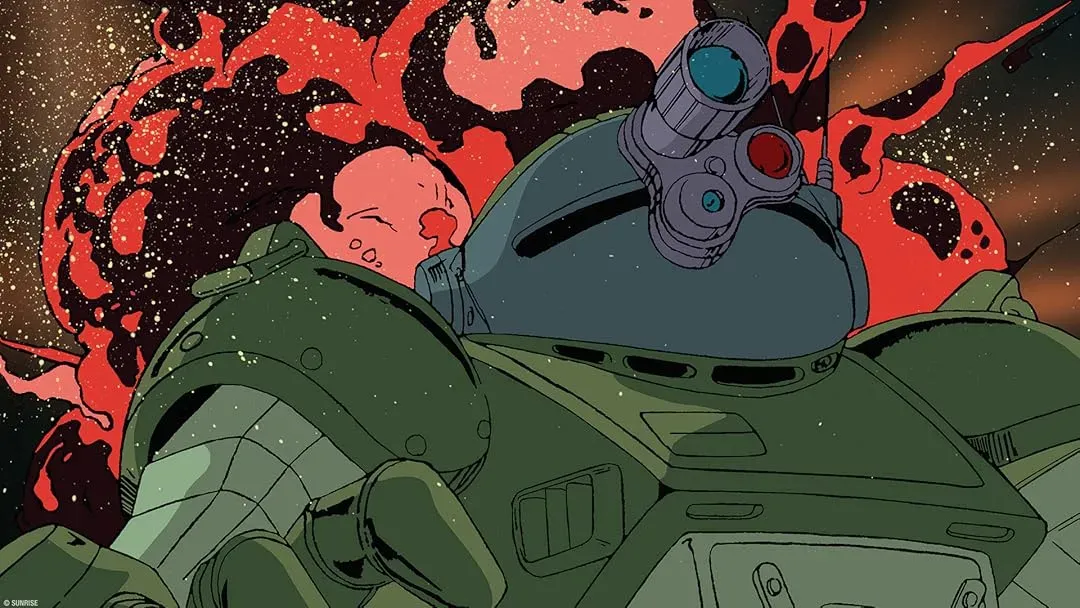
If you’ve ever gotten pulled into VOTOMS’ bleak but compelling orbit, it’s because this series doesn’t glamorize war. The original arms its combat rigs with thin armor and gives pilots “Bottoms” monikers, soldiers you expect to expire, not triumph, so survival itself is a theme, not victory. That’s why VOTOMS has stayed alive in discussions about what mecha can emotionally deliver: it takes military sci-fi and grinds it against questions about expendability, agency, and the machinery of geopolitics. Die Graue Hexe arrives at a moment when broader anime fandom is wrestling with similarly tough narratives in sci-fi, where war is shown as rough, visceral, and uncertain instead of blockily heroic. Online chatter following the announcement has been a mix of nostalgia for Scopedogs and cautious excitement about how Oshii will handle that legacy. The project isn’t just a curiosity because it revives an old brand. It matters because it invites us to reflect on how war anime can feel both introspective and kinetic, especially when audiences have grown up alongside more stylized giant robot shows.
Fan communities are already spinning threads comparing this to VOTOMS’ last major new production and asking how Oshii’s signature style might interact with Sunrise’s technical animation. Some of the early hype comes from seeing a classic revisited with seemingly serious artistic intent, not just a quick brand play. Others are tempering expectations, remembering that respecting source tone while doing something genuinely new is rare. Comparisons to other modern real-robot works are inevitable, but what really sets Die Graue Hexe apart is its context: 40 years after VOTOMS first pushed gritty war realism into anime, this return feels like a conversation rather than a cash-in. With teasers and visuals still trickling out, there’s room to appreciate the craft that’s going into it without leaning on hyperbole.
Conclusion
For many, this is a season to watch because it might reshape how the franchise sits alongside perennial giants in the genre. Die Graue Hexe isn’t just another anniversary title. It’s the moment VOTOMS shows whether the questions it asked decades ago can still resonate, and whether new audiences will take them up as their own.